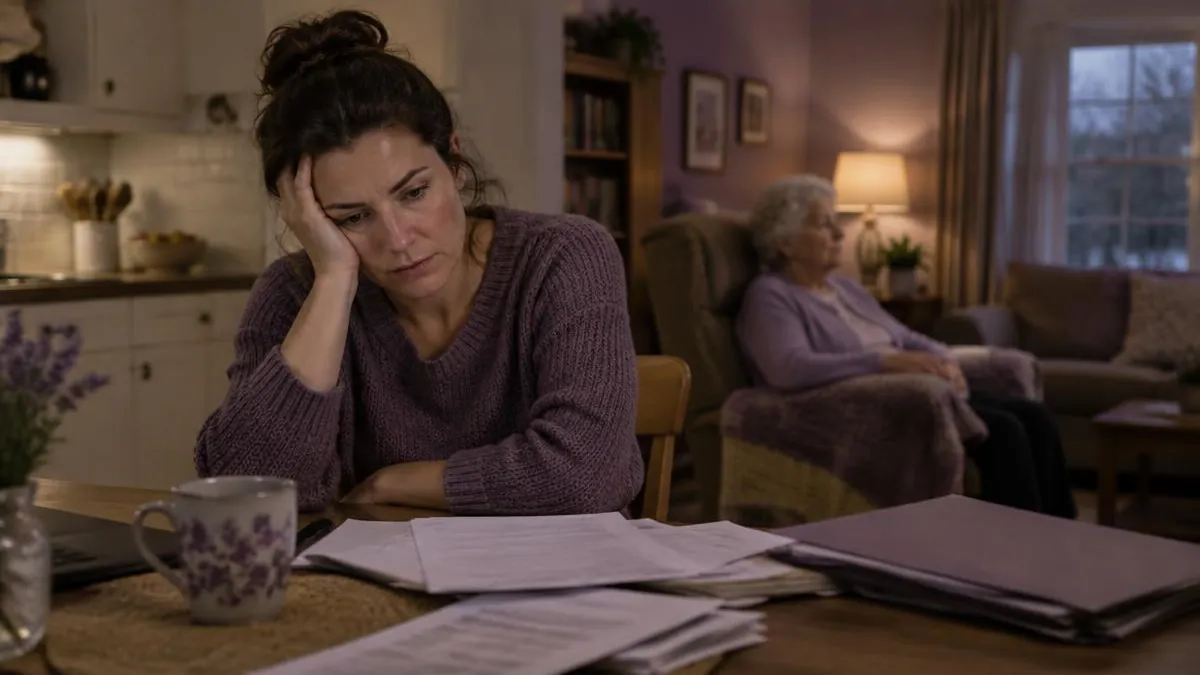
Most families do not suddenly realize they need help.
It happens gradually.
A missed medication here.
A small fall there.
A parent repeating the same question twenty times in an afternoon.
A spouse becoming emotionally exhausted but insisting they are "fine."
A late-night phone call.
A wandering incident.
A hospitalization.
A moment where the family quietly realizes:
"We are no longer managing this safely alone."
One of the greatest challenges in Dementia care at home is that decline
rarely announces itself dramatically in the beginning. It often unfolds
subtly, emotionally, and progressively over time.
Families adapt slowly to increasing instability without realizing how
much pressure has accumulated.
And by the time many seek help, they are already operating inside a
crisis.
At Aging in Place Redefined, the belief is simple:
The goal should not be waiting until something catastrophic happens.
The goal should be identifying instability before the emergency occurs.
Because in Dementia care, prevention changes everything.
Why Families Often Wait Too Long
The decision to bring support into the home is deeply emotional.
Families delay for many understandable reasons:
-
Guilt
-
Fear
-
Denial
-
Financial concerns
-
Cultural expectations
-
Promises made years earlier
-
Hope that things will improve
-
Believing they "should" be able to handle it alone
Many adult children also live in a constant state of uncertainty.
They ask themselves:
-
"Is this normal aging?"
-
"Are we overreacting?"
-
"Is it really that bad yet?"
-
"What if Mom gets upset?"
-
"What if Dad refuses help?"
Meanwhile, the disease continues progressing quietly in the background.
And what families often underestimate is this:
Dementia does not only affect memory.
It affects judgment, insight, processing speed, balance, emotional
regulation, safety awareness, sleep, communication, and decision-making.
The risks compound over time.
The Hidden Costs Families Rarely Anticipate
1. Falls and Injuries
Falls are one of the most common reasons older adults with Dementia are
hospitalized.
Cognitive decline increases fall risk because individuals may
experience:
-
Poor judgment
-
Unsafe mobility decisions
-
Difficulty recognizing hazards
-
Reduced reaction time
-
Balance instability
-
Wandering behaviors
-
Medication side effects
-
Fatigue and nighttime confusion
Many falls happen before families recognize the home environment has
become unsafe.
A single fall can lead to:
Preventative support often costs far less emotionally and financially
than crisis recovery.
2. Medication Mistakes
Medication management becomes increasingly difficult as cognitive
impairment progresses.
Families may notice:
-
Missed doses
-
Double dosing
-
Incorrect timing
-
Confusion between medications
-
Resistance to medications
-
Unsafe self-administration
This becomes even more dangerous in conditions involving:
Medication-related complications frequently contribute to avoidable
hospitalizations.
3. Wandering and Exit-Seeking Behaviors
Wandering in Dementia is not simply "walking around."
It can become life-threatening.
Individuals living with Dementia may leave the home because:
Families often underestimate wandering risk until:
-
A door alarm goes off at 2AM
-
A loved one disappears briefly
-
Police become involved
-
A dangerous outdoor exposure occurs
By the time wandering escalates, families are often already emotionally
overwhelmed.
4. Caregiver Burnout and Emotional Collapse
One of the most overlooked consequences of delaying help is caregiver
burnout.
Family caregivers frequently become trapped in survival mode.
They may experience:
-
Chronic stress
-
Sleep deprivation
-
Hypervigilance
-
Anxiety
-
Depression
-
Isolation
-
Physical exhaustion
-
Declining health
-
Emotional numbness
And yet many continue saying:
"We're managing."
The truth is many caregivers normalize unsustainable stress levels
because decline happens gradually.
But caregiver burnout eventually impacts:
-
Decision-making
-
Patience
-
Emotional regulation
-
Relationships
-
Physical health
-
Work performance
-
Family dynamics
Sometimes the caregiver becomes medically compromised before the person
receiving care does.
5. Increased Hospitalizations and Emergency Room Visits
The period before support is introduced is often filled with repeated
instability.
Families may notice:
-
Frequent falls
-
Infections
-
Medication complications
-
Dehydration
-
Poor nutrition
-
Sleep disruption
-
Behavioral escalation
-
Delirium episodes
-
Unsafe wandering
Emergency rooms are rarely ideal environments for someone living with
Dementia.
Hospitalization itself can worsen:
-
Confusion
-
Agitation
-
Sleep cycles
-
Hallucinations
-
Functional decline
Structured support at home often reduces preventable hospital
utilization.
6. Relationship Breakdown Within Families
Dementia impacts entire family systems.
Adult siblings may disagree on:
-
Safety concerns
-
Finances
-
Care decisions
-
Driving
-
Homecare support
-
Facility placement
-
Medical interventions
Meanwhile spouses may silently grieve while trying to maintain
impossible levels of care alone.
Unchecked stress frequently creates:
-
Resentment
-
Conflict
-
Emotional exhaustion
-
Isolation
-
Family fragmentation
The earlier support systems are introduced, the more families can
preserve relationships instead of operating exclusively in crisis
management.
Early Warning Signs Families Should Not Ignore
Families often ask:
"How do we know it's time for help?"
The answer is usually not one dramatic moment.
It is a pattern.
Warning signs may include:
-
Missed medications
-
Increased confusion
-
Wandering behaviors
-
Repeated falls or near-falls
-
Burned food or unsafe cooking
-
Weight loss
-
Sleep disruption
-
Hygiene decline
-
Missed appointments
-
Emotional withdrawal
-
Agitation or paranoia
-
Caregiver exhaustion
-
Difficulty managing finances
-
Unsafe driving
-
Frequent emergency calls
These are not simply inconveniences.
They are indicators of increasing instability.
Why Earlier Support Often Leads to Better Outcomes
Families sometimes believe bringing help into the home means "giving
up."
In reality, earlier support often preserves independence longer.
When care is introduced proactively:
-
Routines stabilize sooner
-
Fall prevention improves
-
Caregiver burnout decreases
-
Emotional overwhelm reduces
-
Hospitalizations may decline
-
Trust with caregivers develops gradually
-
Cognitive engagement remains stronger
-
Home safety can be optimized earlier
The best Dementia care is often preventative rather than reactive.
What Quality Dementia Homecare Should Actually Provide
Quality Dementia care at home should involve far more than
companionship.
Specialized support may include:
-
Structured routines
-
Cognitive engagement
-
Behavioral understanding
-
Communication adaptation
-
Fall-risk reduction
-
Medication observations
-
Environmental optimization
-
Emotional reassurance
-
RN oversight and care coordination
-
Family education and coaching
At Angels on Call Homecare, the philosophy centers around clinically
guided, dignity-centered support designed to reduce instability while
preserving identity, familiarity, and emotional safety at home.
Because quality of life matters just as much as safety.
The Real Goal Is Not Just Keeping Someone Home
Many families focus only on one question:
"How long can they stay home?"
But a better question is:
"How can we help them live well at home?"
There is a difference.
Aging in place should not mean surviving inside increasing crisis.
It should mean:
-
Stability
-
Dignity
-
Emotional connection
-
Familiarity
-
Purpose
-
Safety
-
Support
-
Human-centered care
That is the future of Dementia care at home.
Key Takeaways
-
Families often wait too long before seeking Dementia support at home
-
Falls, medication mistakes, wandering, and caregiver burnout
frequently begin long before intervention occurs
-
Dementia affects safety, judgment, emotional regulation, and daily
functioning, not just memory
-
Caregiver burnout is one of the most overlooked healthcare crises
-
Earlier support often improves long-term outcomes and preserves
independence longer
-
Specialized Dementia care should include structure, behavioral
understanding, engagement, and clinically guided oversight
When to Seek Help
Families should strongly consider additional support when:
-
A loved one cannot safely manage medications
-
Falls or wandering risks increase
-
Caregivers feel emotionally exhausted
-
Daily routines become unstable
-
Behavioral symptoms escalate
-
Sleep disruption becomes severe
-
Hospitalizations become more frequent
-
Home safety concerns increase
The earlier support is introduced, the more options families often have
available.
Frequently Asked Questions
What are the signs an elderly parent needs home care?
Common warning signs include falls, missed medications, wandering,
confusion, unsafe cooking, poor hygiene, caregiver exhaustion, and
increasing difficulty managing daily tasks independently.
When should someone with Dementia stop living alone?
A person with Dementia may no longer be safe living alone when judgment,
medication management, wandering risk, falls, or confusion create safety
concerns that cannot be managed independently.
What causes caregiver burnout?
Caregiver burnout often develops from prolonged emotional stress, sleep
deprivation, constant supervision responsibilities, isolation, and lack
of outside support.
Does early homecare support help Dementia patients?
Yes. Early support often improves routine stability, reduces crises,
prevents caregiver exhaustion, and may help individuals remain safely at
home longer.
What type of homecare is best for Dementia?
The best Dementia homecare models involve specialized training,
structured routines, behavioral understanding, cognitive engagement,
environmental awareness, and clinically guided oversight.
About the Author
Eric J. Dalton is a Dementia and Parkinson's care strategist, systems
thinker, and advocate for dignity-centered aging at home. Through Aging
in Place, Redefined and leadership at Angels on Call Homecare, his
work focuses on redefining what advanced, emotionally intelligent,
clinically guided care at home should look like for families navigating
cognitive and neurological conditions.
-
Dementia Care Decision Compass
-
Home Safety Risk Scanner
-
Caregiver Burnout Snapshot
-
Dementia Behavior Decoder Tool
-
"What Stage Are We In?" Cognitive Changes Guide
Available through Aging in Place Redefined.