
Blog & Insights
Educational Articles for Families
Compassionate, clinically grounded guidance for families navigating specialized care at home.
Showing all 58 articles, newest first
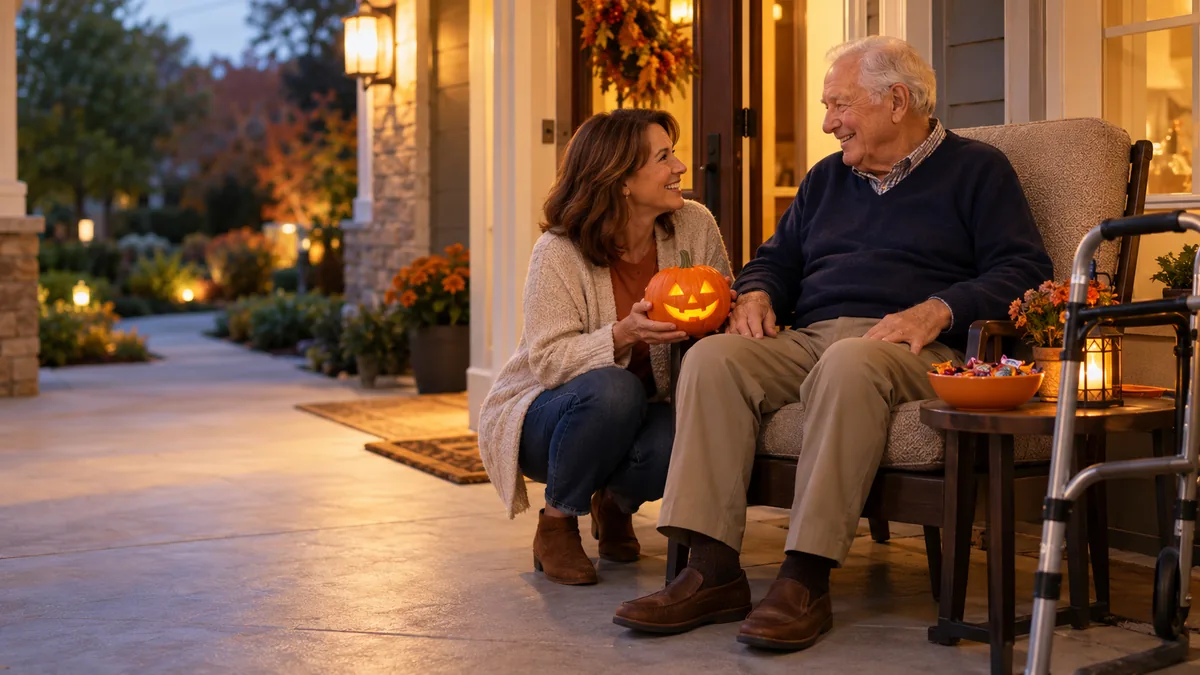
Halloween With Parkinson's: How to Protect Routine, Mobility and Joy
Halloween with Parkinson's: care-partner tips for medication timing, freezing at the door, easy costumes, candy, decorations and the fall clock change.
Read article
Halloween and Dementia: How to Keep the Tradition Without the Overwhelm
Halloween with Alzheimer's or Dementia: calm tips for the doorbell, masks, decorations, wandering, sundowning and the clock change, plus what to say.
Read article
Halloween Home Safety for Older Adults: A 10-Minute Aging-in-Place Checklist
A Halloween safety checklist for seniors aging in place: lighting, trip hazards, flameless candles, answering the door, pets, candy and family plans.
Read article
Walking for More Than Awareness: How Hudson Valley Families and Care Teams Can Help Fight Alzheimer's Together
Walk to End Alzheimer's brings Hudson Valley families and local care teams together each fall, what the walk funds and how to get involved.
Read article
Angels Embrace: Why Families Caring for Someone With Dementia or Parkinson's Need More Than Information
Angels Embrace is a free, nurse-led support space for families navigating Dementia or Parkinson's, because information alone isn't enough to carry this.
Read article
Paying for Private Home Care in New York: Long-Term Care Insurance & Private Pay
How New York families pay for ongoing home care, what to check in a long-term care insurance policy, and how private-pay care fits alongside short-term skilled care at home.
Read article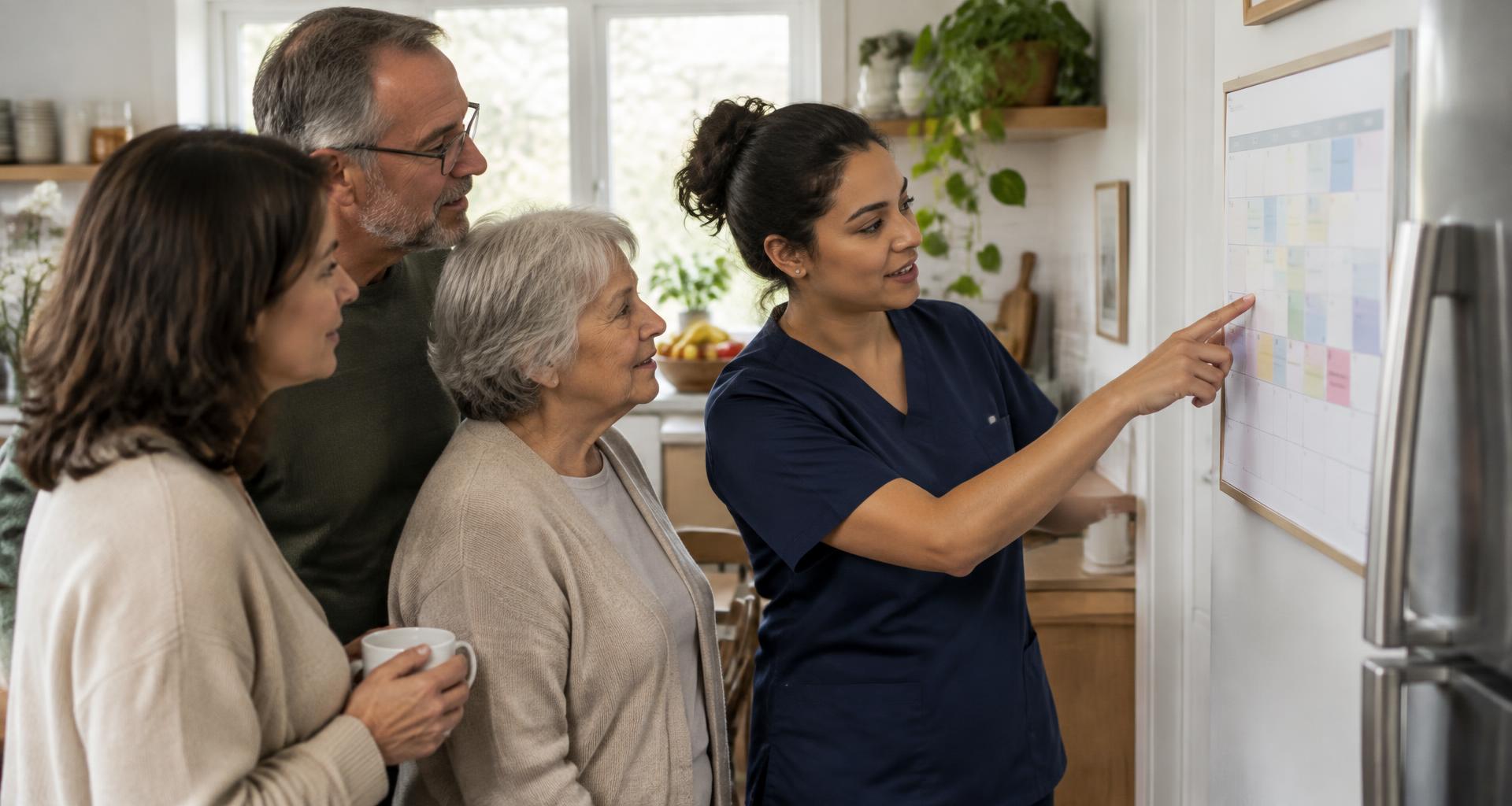
How Much Homecare Does My Parent Actually Need? 4 Hours, 8 Hours, Overnight or Live-In Care?
From 4 hours a week to live-in care, a practical framework for figuring out how much home care an aging parent actually needs.
Read article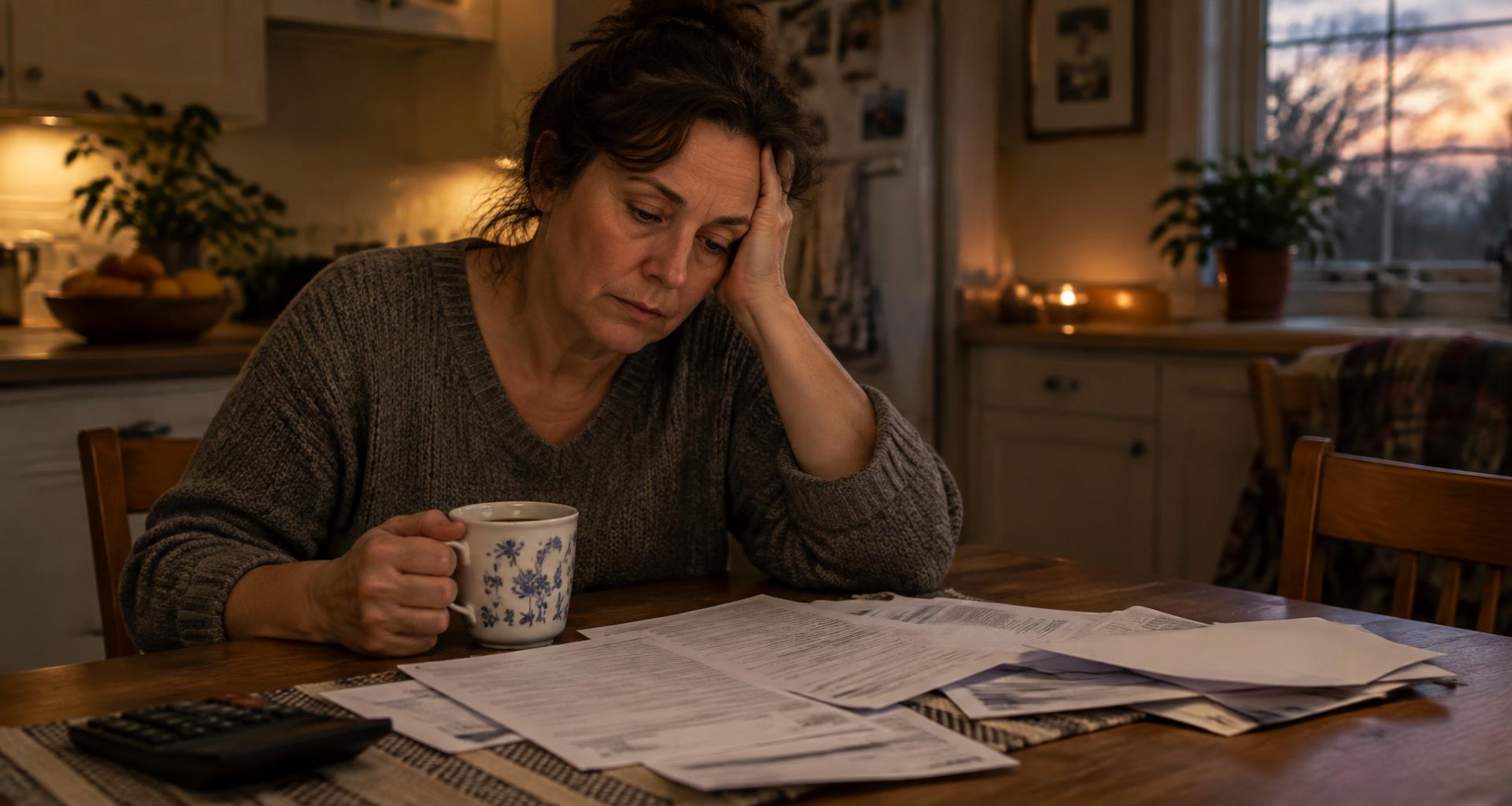
The True Cost of Family Caregiving: Time, Lost Work, Travel and Burnout Families Rarely Calculate
Family caregiving carries real, often uncounted costs, lost wages, mileage, missed promotions and health strain. What the latest national data shows.
Read article
PCA vs HHA vs Companion vs CNA vs LPN vs RN: Who Can Actually Do What in New York?
PCA, HHA, CNA, LPN and RN aren't interchangeable, a clear guide to what New York law actually allows each credential to do at home.
Read article
Hiring a Caregiver Privately in New York: Who Is Actually the Employer?
Hiring a caregiver directly in New York makes you their legal employer, the payroll, insurance and overtime rules families often don't expect.
Read article
Hospital to Home in the Hudson Valley: A Family Guide to Navigating the First 72 Hours After Discharge
The first 72 hours after a hospital discharge are the highest-risk window for a Hudson Valley family, a practical checklist for medications, safety and follow-up.
Read article
Aging in Place in the Hudson Valley: The Hidden Problems With Stairs, Long Driveways and Suburban Isolation
Aging in place looks different in the Hudson Valley's hills, long driveways and multi-level homes, a complete guide to the real risks and real solutions.
Read article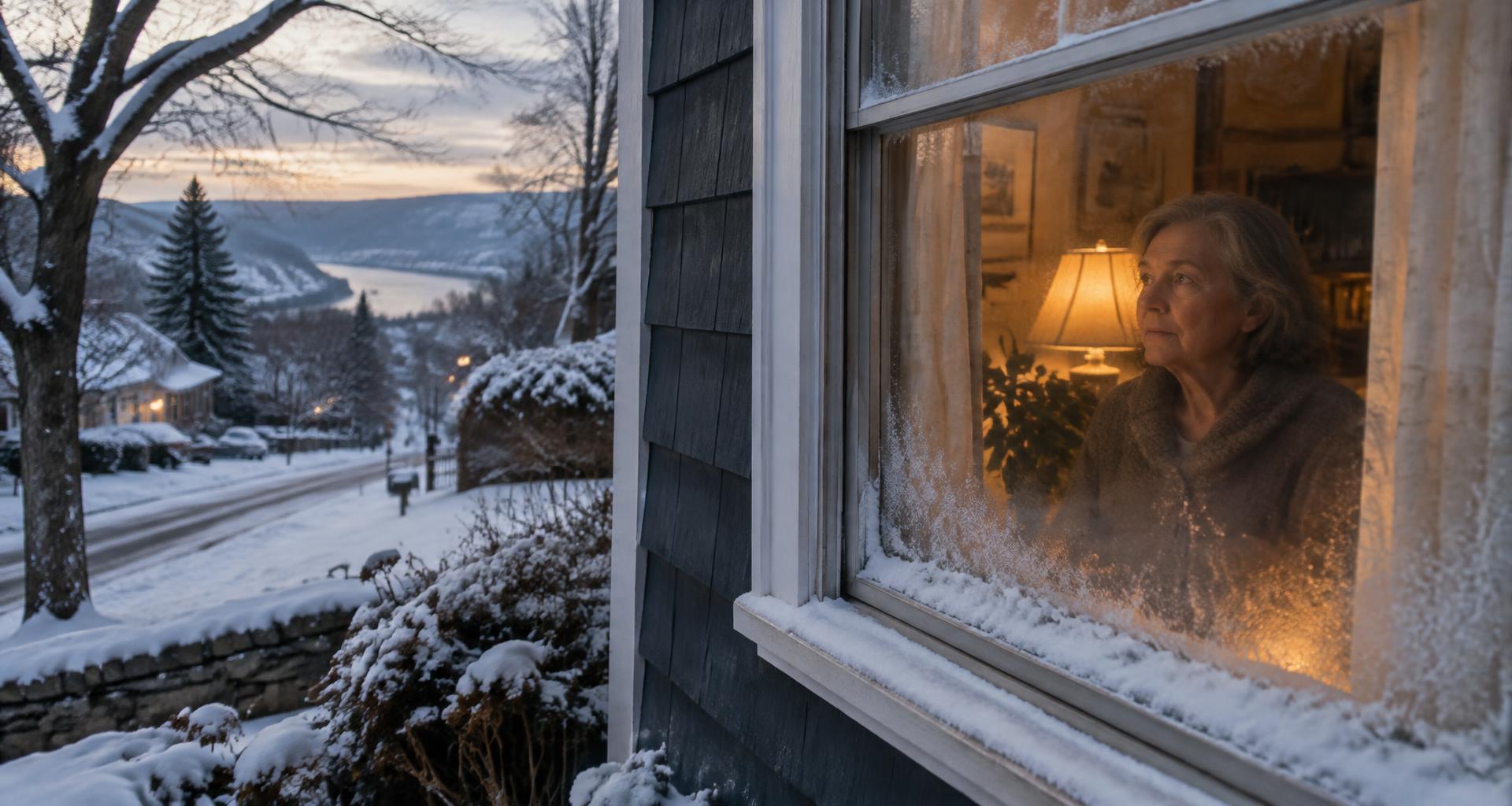
The Hudson Valley Winter Care Gap: What Happens When Your Parent's Caregiver Can't Safely Reach the House?
Snow, ice and long driveways can break a caregiving schedule fast in the Hudson Valley, how families build a winter continuity plan that actually holds.
Read article
Parkinsonism Isn't Always Parkinson's Disease: Understanding PSP, MSA, CBD and Atypical Parkinsonism
PSP, MSA and CBD look like Parkinson's at first but are distinct, faster-progressing diseases, the red flags that separate them and what families need to know.
Read article
Parkinson's Disease Dementia vs. Dementia With Lewy Bodies: What's the Difference?
PDD and Dementia with Lewy bodies share the same underlying biology but differ in symptom order, what the “one-year rule” means and why it matters.
Read article
REM Sleep Behavior Disorder: When Acting Out Dreams May Precede Parkinson's
REM sleep behavior disorder, acting out dreams during sleep, can appear years before Parkinson's motor symptoms. What it looks like and what to do.
Read article
Constipation, Urinary Changes and Sweating: The Autonomic Side of Parkinson's Nobody Talks About Enough
Constipation, urinary urgency and sweating are common, under-discussed Parkinson's symptoms, why they happen and what actually helps.
Read article
Parkinson's and Swallowing Problems: The Quiet Risk Families May Not Notice
Swallowing changes and drooling are common, under-discussed Parkinson's symptoms with real aspiration risk, what to watch for and what helps.
Read article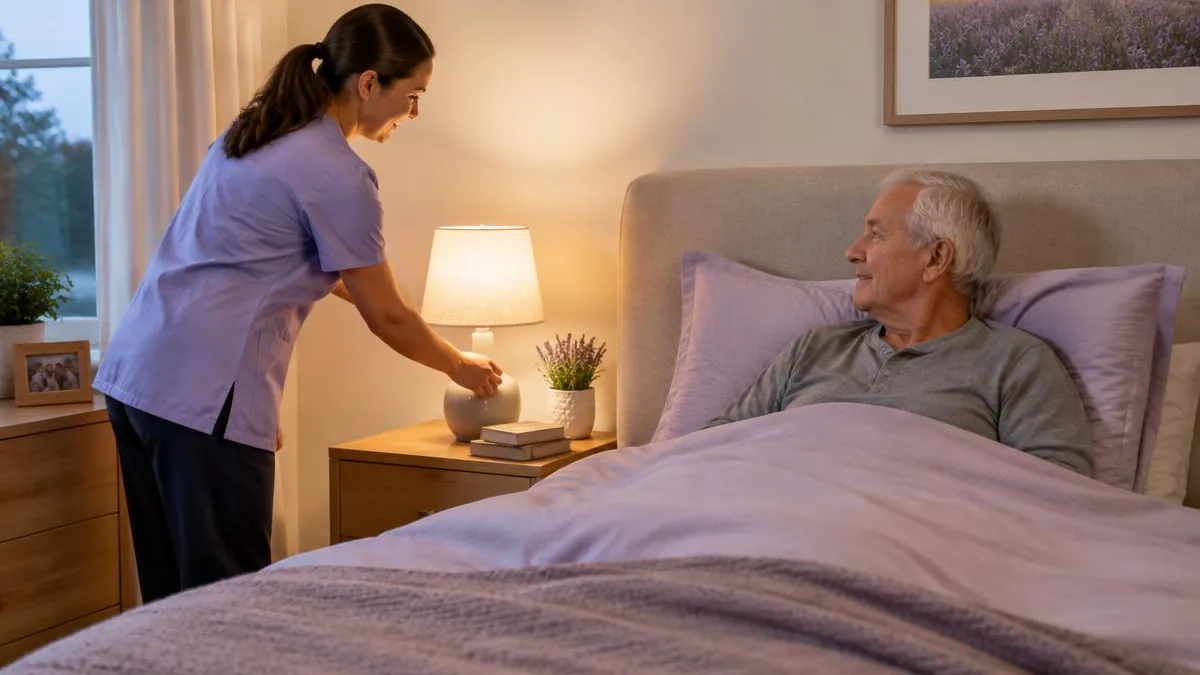
Hallucinations in Parkinson's Disease: Medication Side Effect, Delirium, Dementia, or Disease Progression?
Hallucinations affect a large share of people with Parkinson's over time, the medication, delirium and disease-progression causes, and what actually helps.
Read article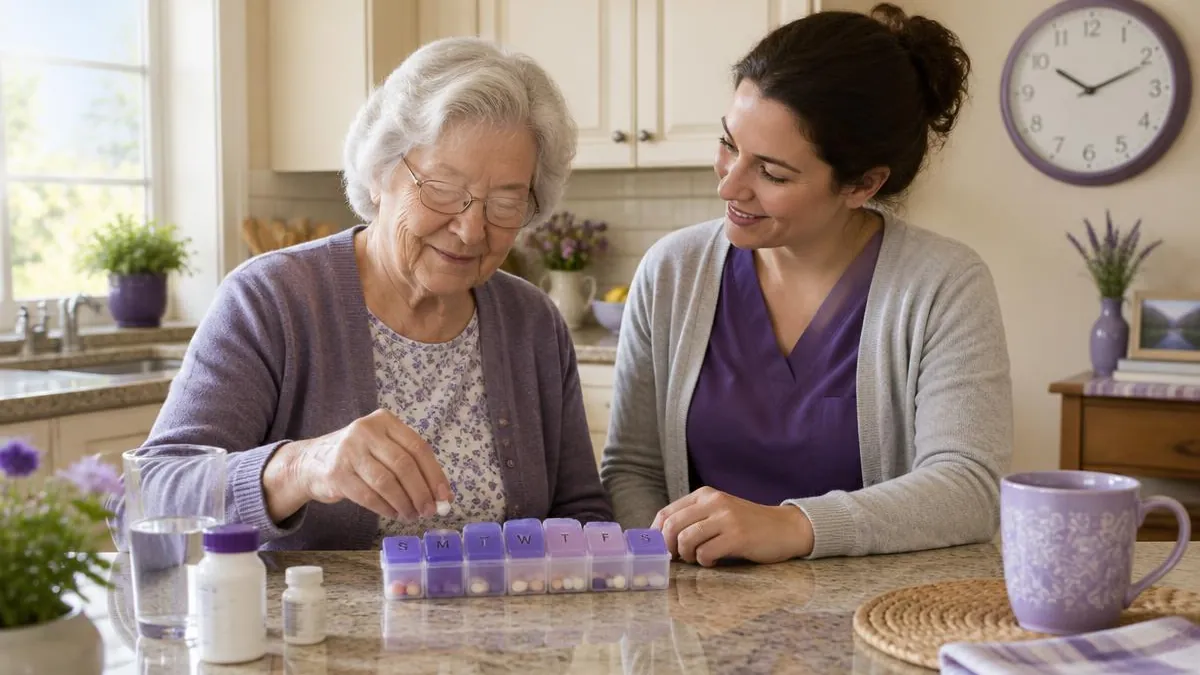
Parkinson's “ON” and “OFF” Periods: Why Medication Timing Can Change an Entire Day
Why Parkinson's medication timing creates “on” and “off” periods, what families notice during each, and why consistency matters more than exact clock time.
Read article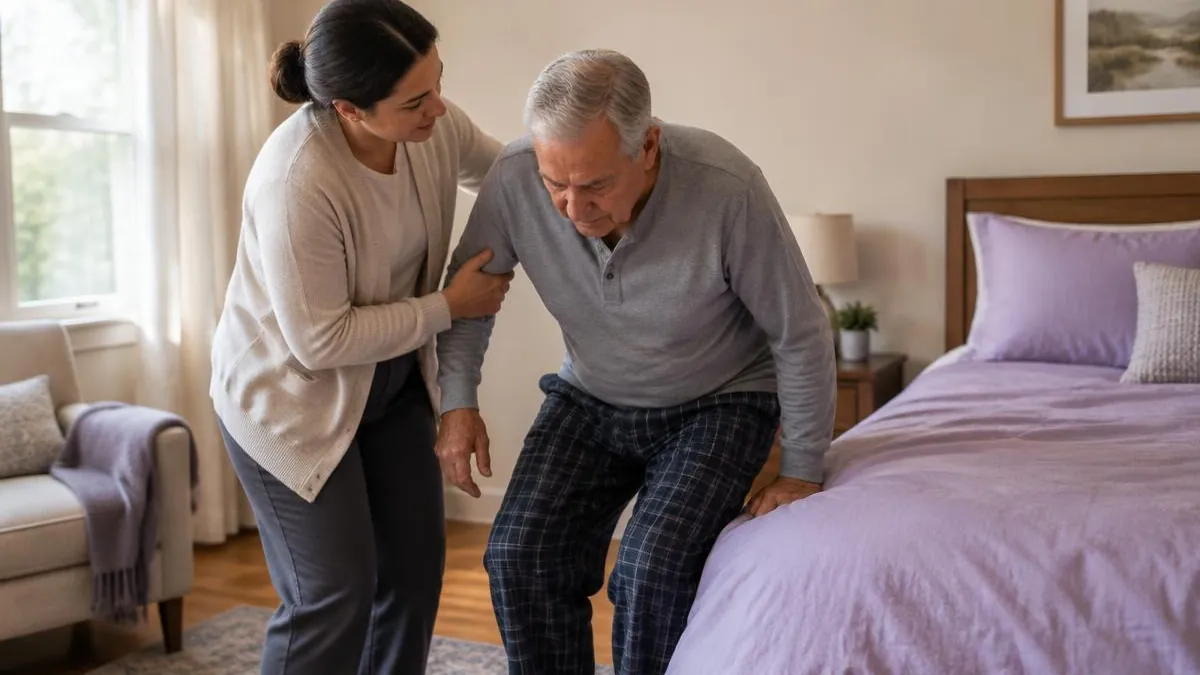
Orthostatic Hypotension in Parkinson's: When Standing Up Causes Dizziness, Weakness or Falls
Orthostatic hypotension is a common, under-discussed Parkinson's symptom that raises fall risk, its causes, warning signs, and practical safety steps.
Read article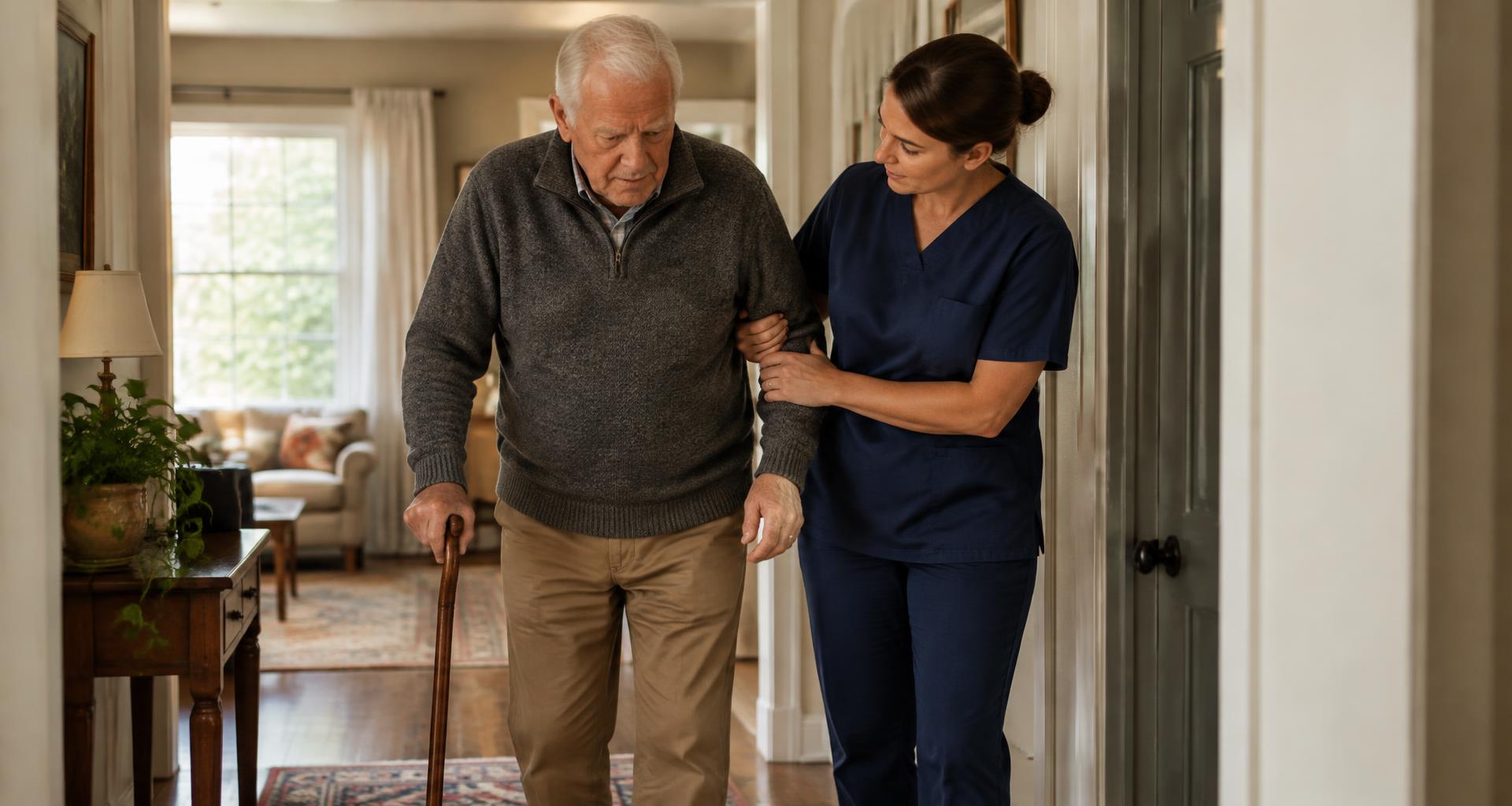
Freezing of Gait in Parkinson's: Why the Feet Suddenly Feel “Glued to the Floor”
Freezing of gait in Parkinson's explained, why it happens in doorways and turns, the fall risk it creates, and cueing strategies that help.
Read article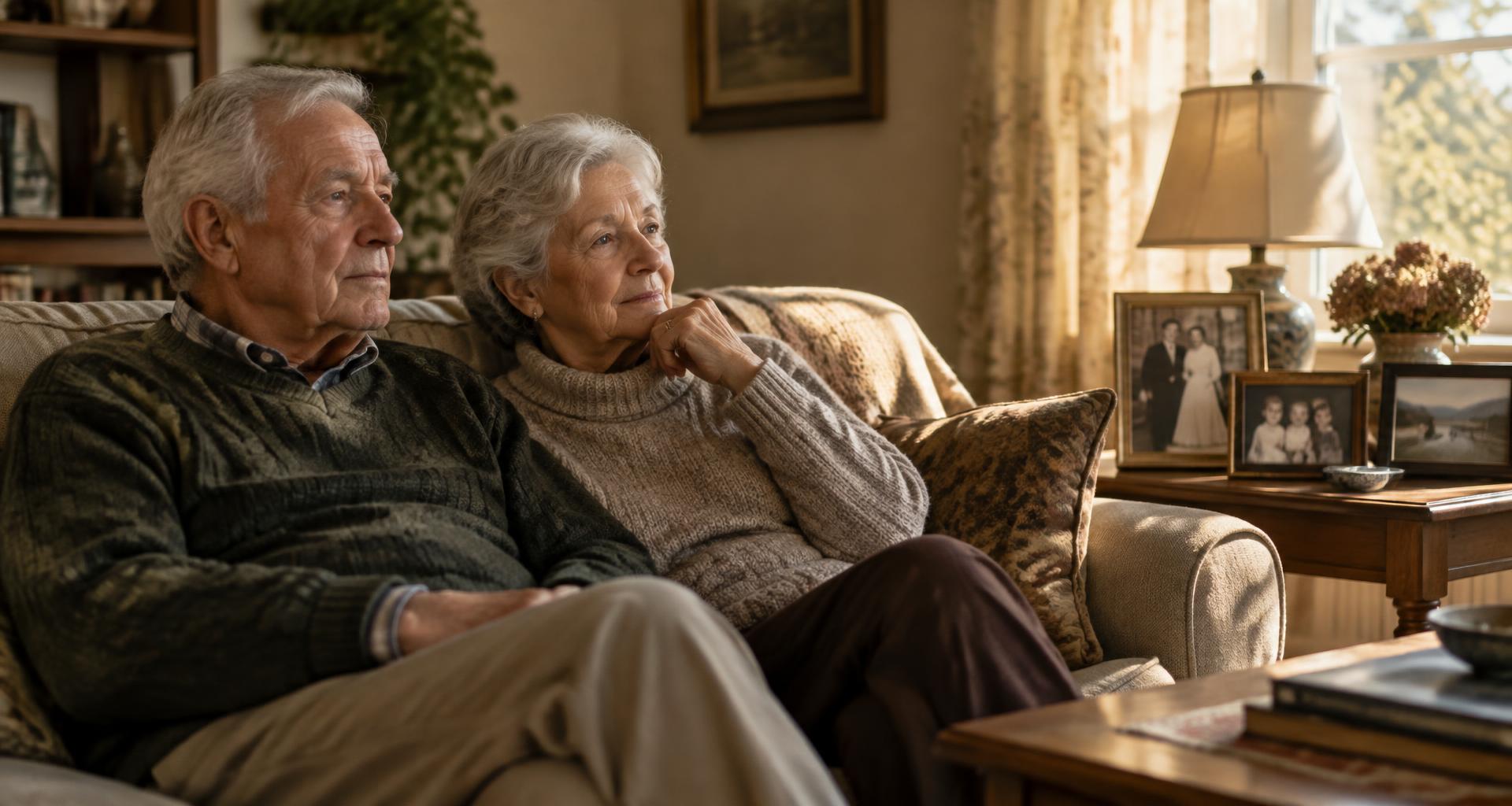
Mixed Dementia: Why Alzheimer's Isn't Always the Whole Diagnosis
Mixed Dementia means more than one brain change is driving symptoms, often Alzheimer's plus vascular disease, and why that combination is more common than assumed.
Read article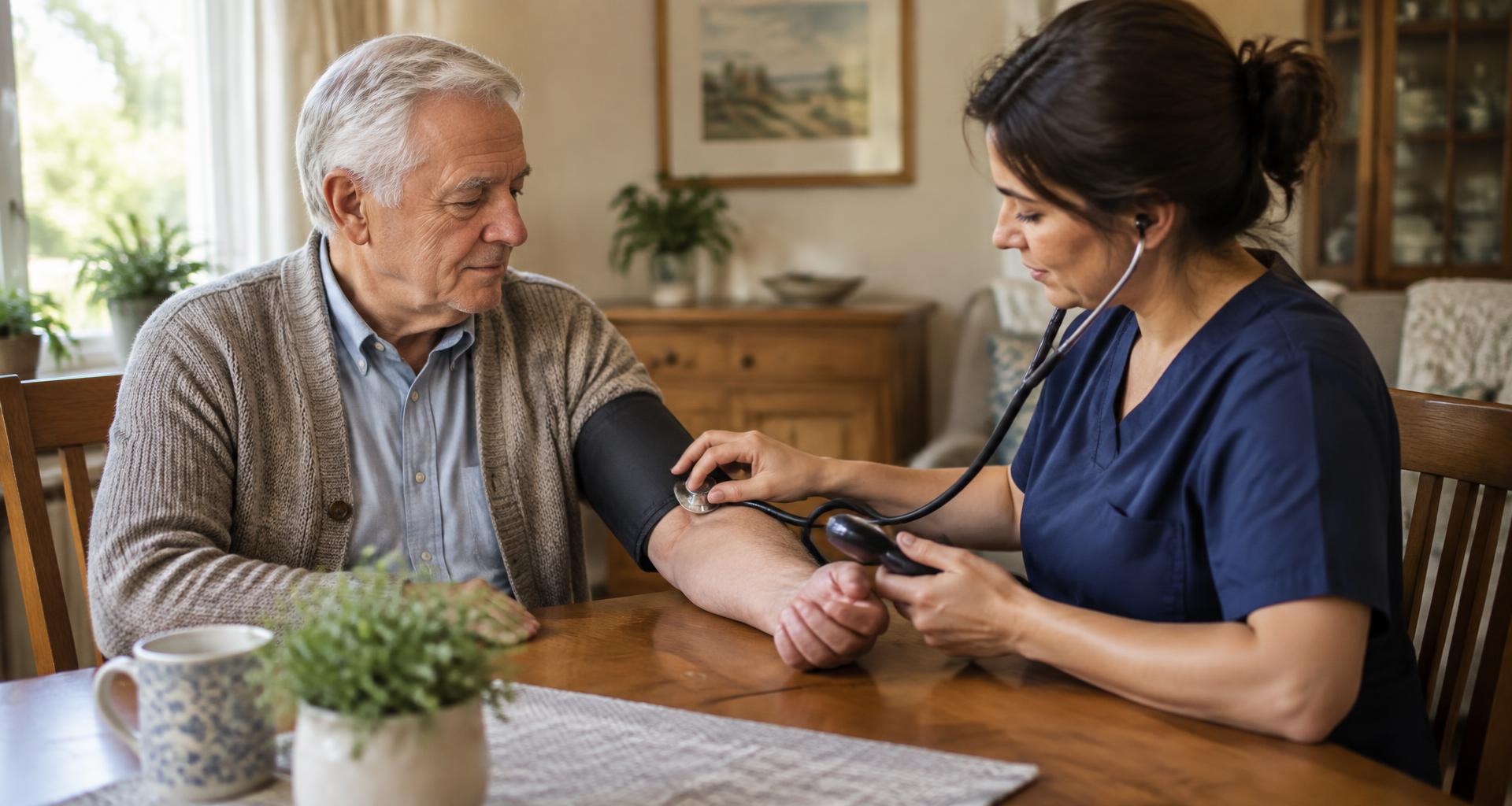
Vascular Dementia: Why Stroke Risk and Cognitive Decline Are Closely Connected
Vascular Dementia develops from impaired blood flow to the brain, often after stroke, its distinct symptom pattern, risk factors, and what families can do.
Read article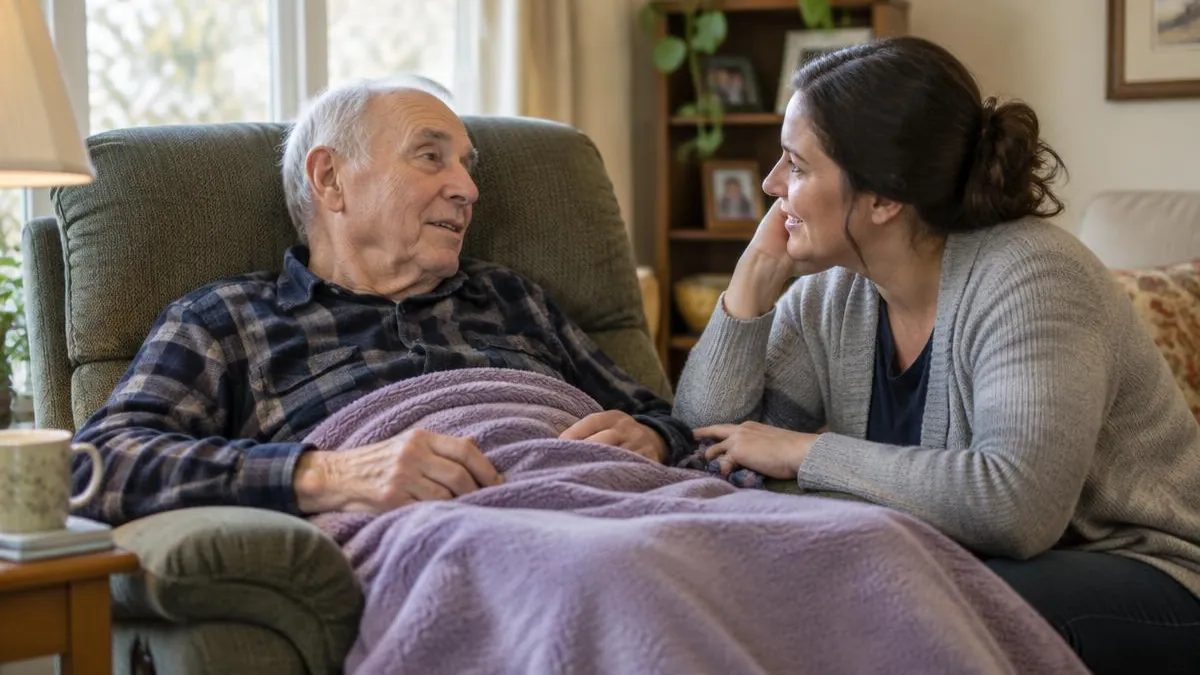
Lewy Body Dementia: The Dementia That Can Look Like Parkinson's
Dementia with Lewy bodies overlaps heavily with Parkinson's disease, how to tell them apart, what families notice, and why medication sensitivity matters.
Read article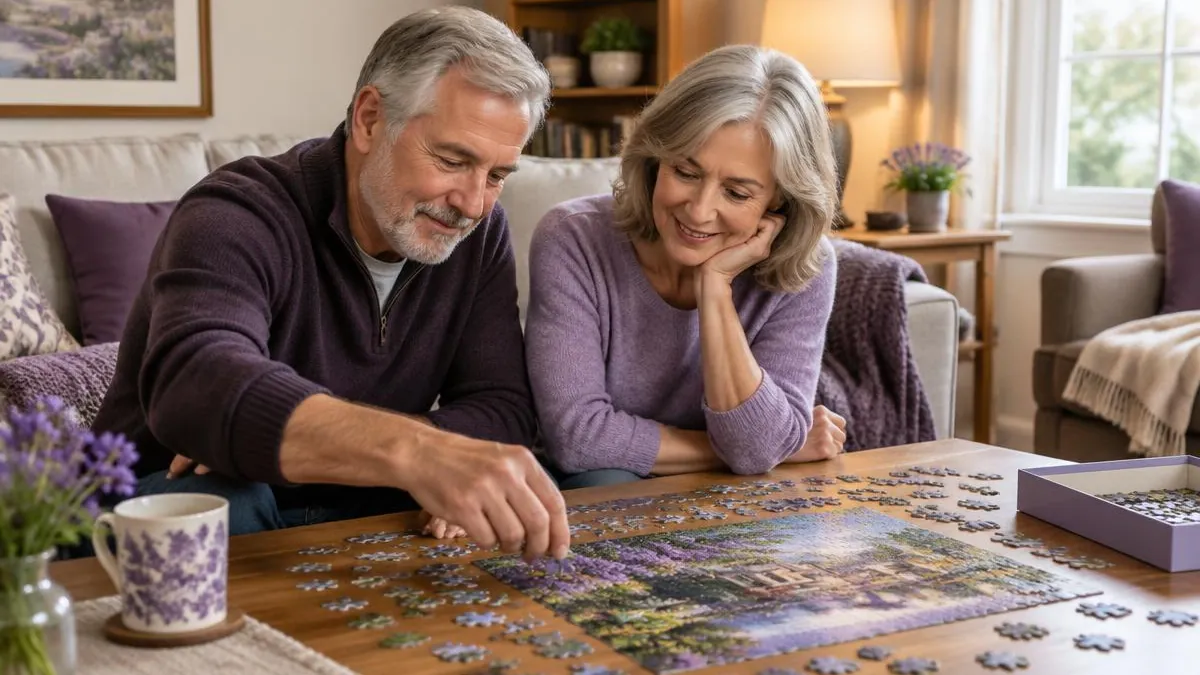
Frontotemporal Dementia: When Personality Changes Before Memory Does
Frontotemporal Dementia often begins with personality and behavior changes, not memory loss, why it's so often misdiagnosed, and what families should know.
Read article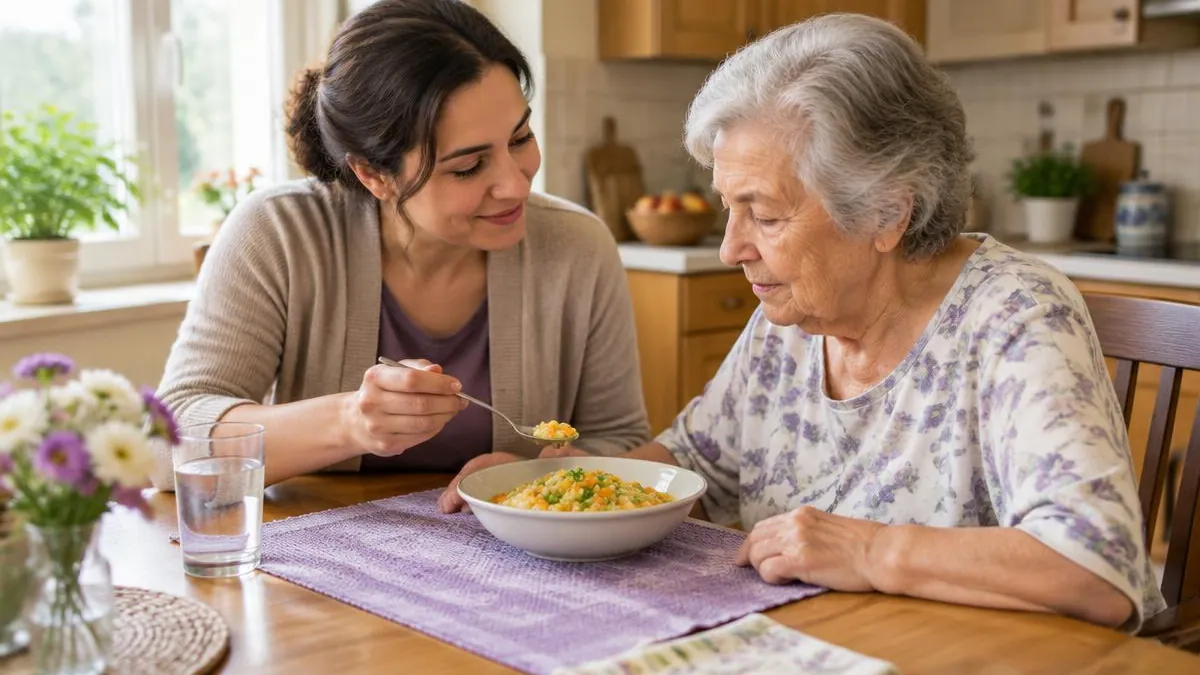
Eating and Swallowing Changes in Dementia: What Families Often Miss
Why eating and swallowing changes develop in Dementia, the warning signs of aspiration risk, and what a speech-language evaluation can add.
Read article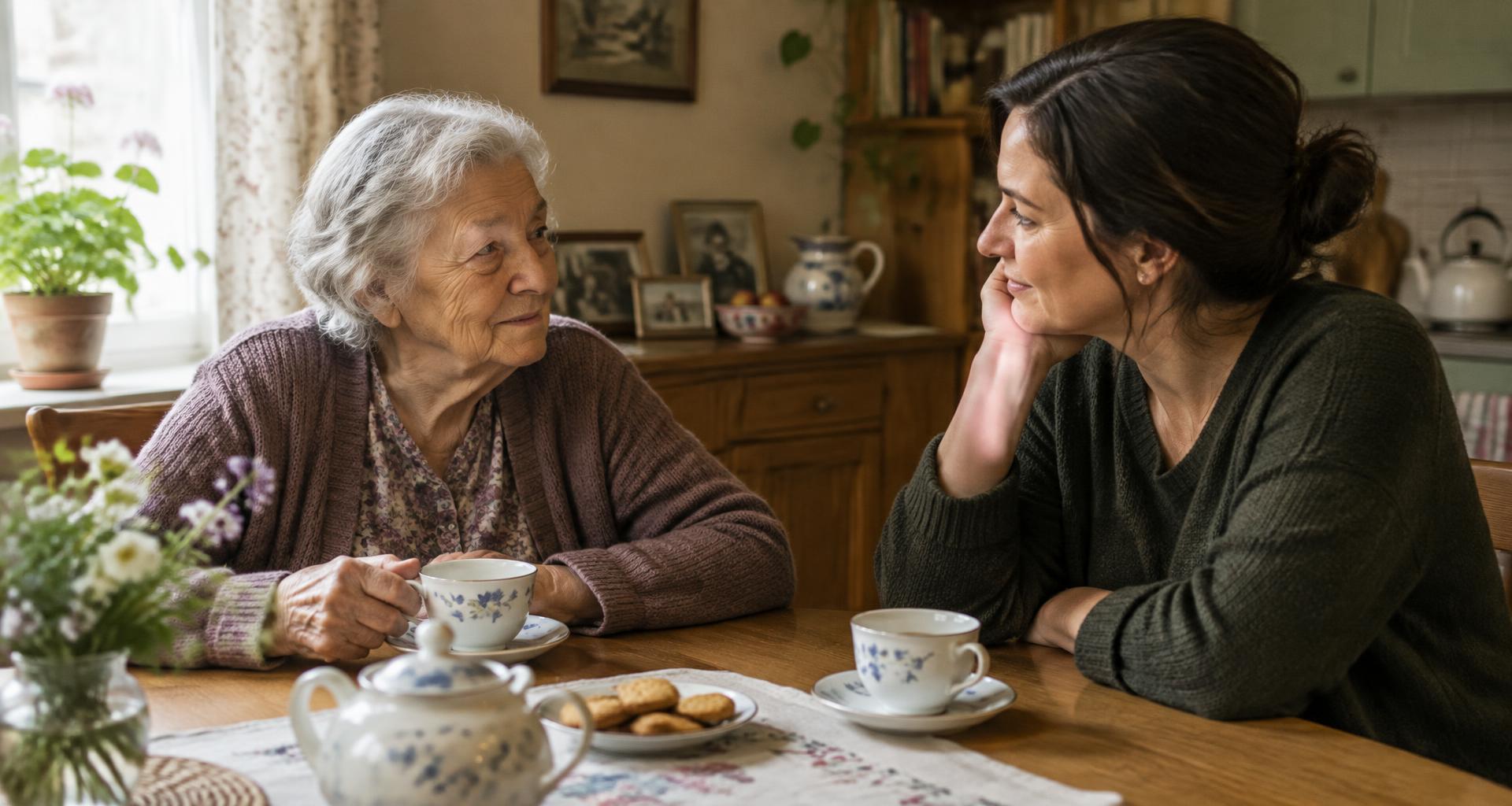
Why People With Dementia Repeat the Same Question, and Why Correcting Them Usually Doesn't Work
Why repeated questions are so common in Dementia, what's actually happening in the brain, and calmer ways to respond than correcting or reminding.
Read article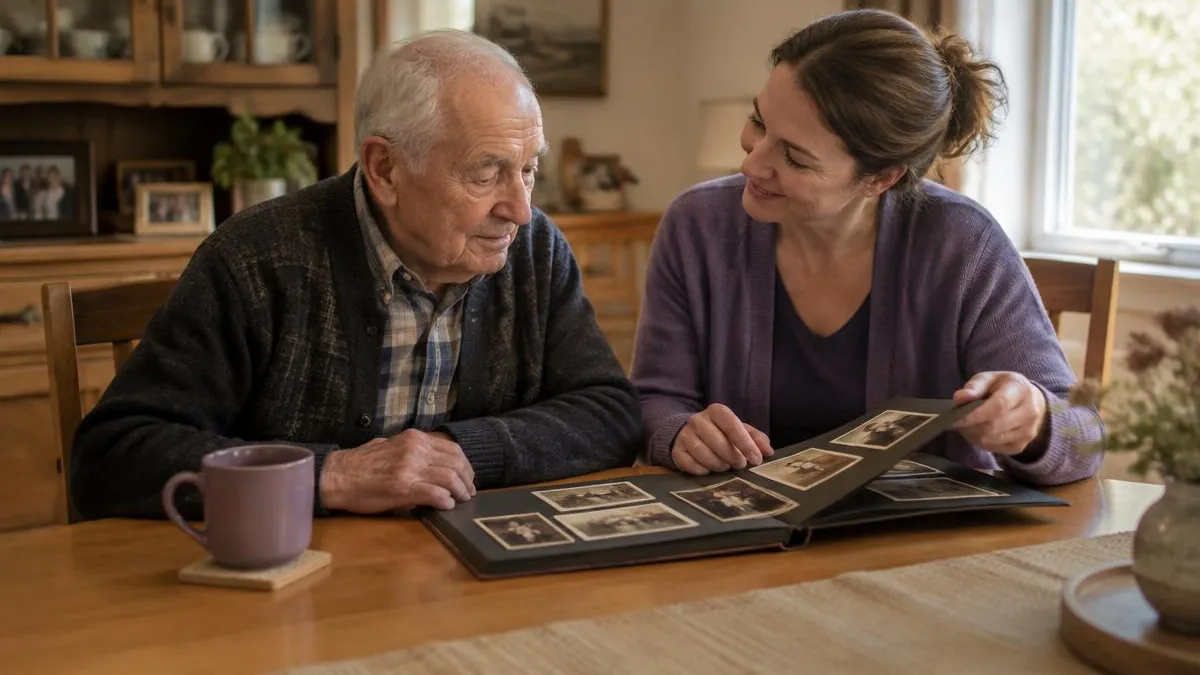
Apathy or Depression? One of the Most Misunderstood Changes in Dementia
Apathy and depression look similar in Dementia but are different conditions with different causes, how to tell them apart and what each means for care.
Read article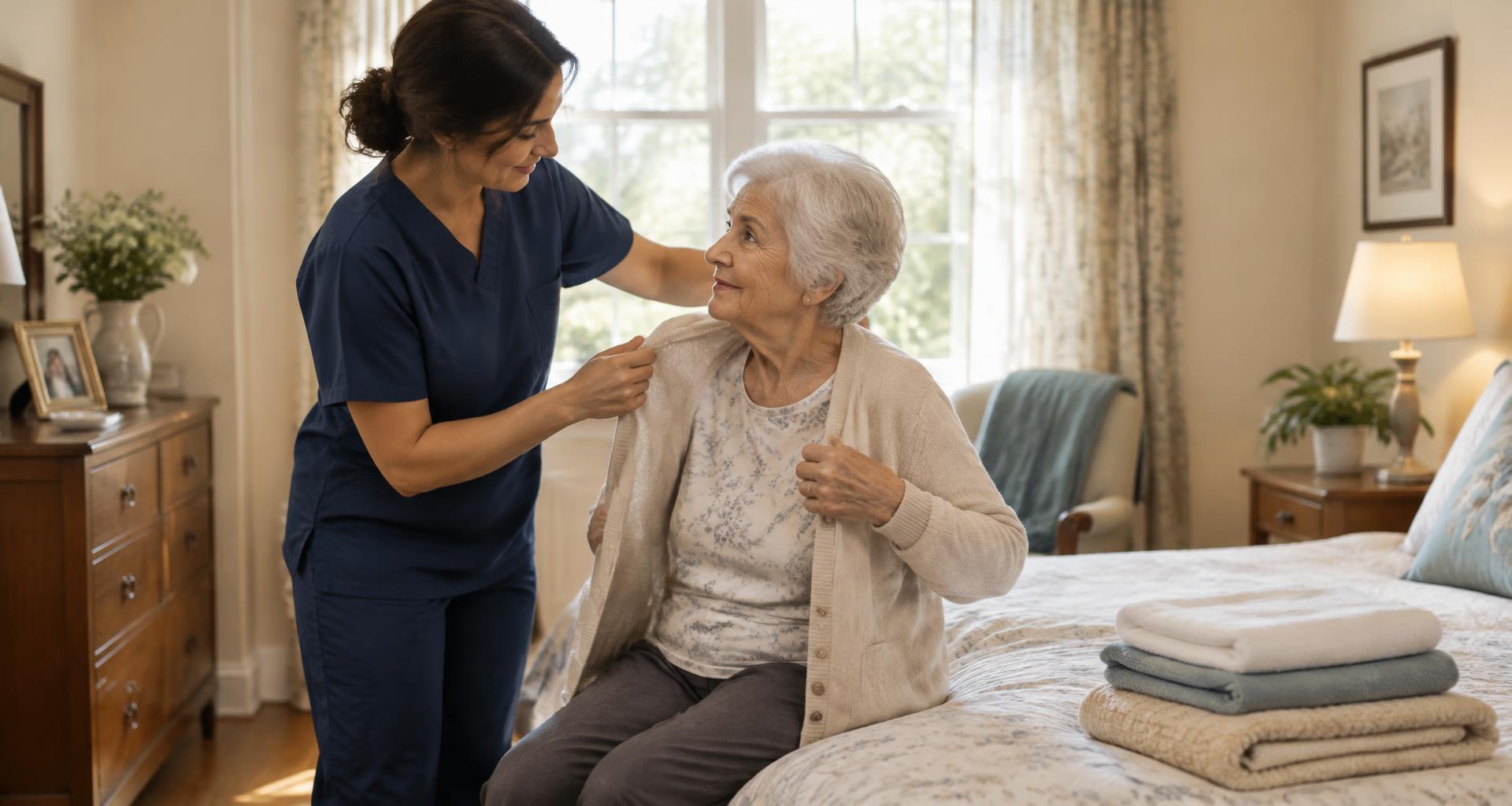
Why Someone With Dementia Becomes Agitated During Bathing, Dressing or Personal Care
Why bathing and dressing trigger fear and resistance in Dementia, the sensory and sequencing reasons behind it, and gentler approaches that actually work.
Read article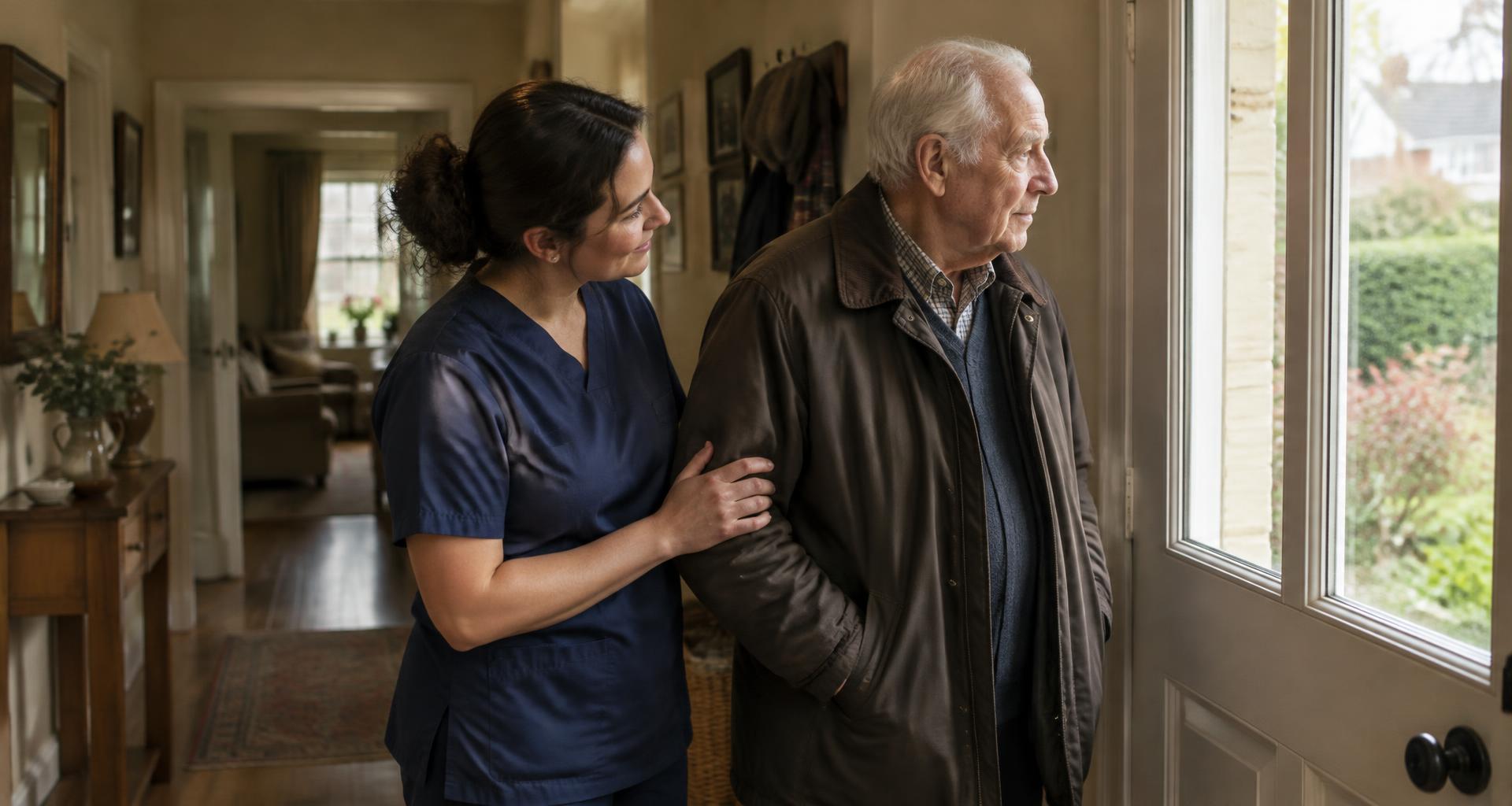
Wandering in Dementia: The Hidden Meaning Behind “I Need to Go Home”
Why wandering happens in Dementia, the safety measures that actually reduce risk at home, and what to do in the first minutes if a loved one goes missing.
Read article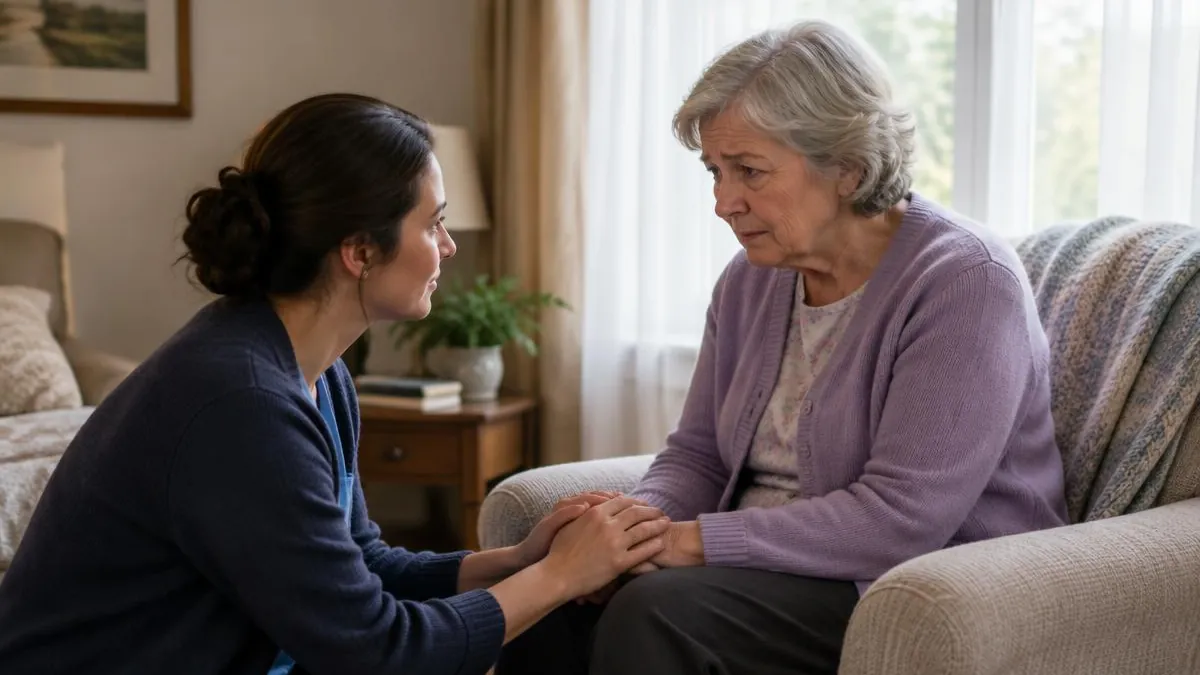
Dementia Hallucinations, Delusions and Paranoia: When to Reassure, and When to Call the Doctor
Hallucinations, delusions and paranoia in Dementia explained, how they differ, what usually helps, and the warning signs that mean it's time to call the doctor.
Read article
Angels on Call Homecare Joins the CareScout Quality Network
An independently verified standard for aging care, and what CareScout's vetting process actually involves.
Read article
What RN Case Manager Oversight Actually Means in Homecare (And Why It's Different From "Supervision")
The clinical infrastructure that turns individual caregiving into a coordinated care model, and how to tell the difference.
Read article
7 Signs Your Loved One Needs More Than Basic Homecare
The quiet indicators that a task-based homecare model is no longer enough, and specialized Dementia or Parkinson's support is warranted.
Read article
The Neurological Case for Live-In Care: Why Continuity Is a Clinical Strategy, Not Just a Convenience
Live-in care isn't just round-the-clock coverage. For Dementia and Parkinson's, continuity itself is the intervention.
Read article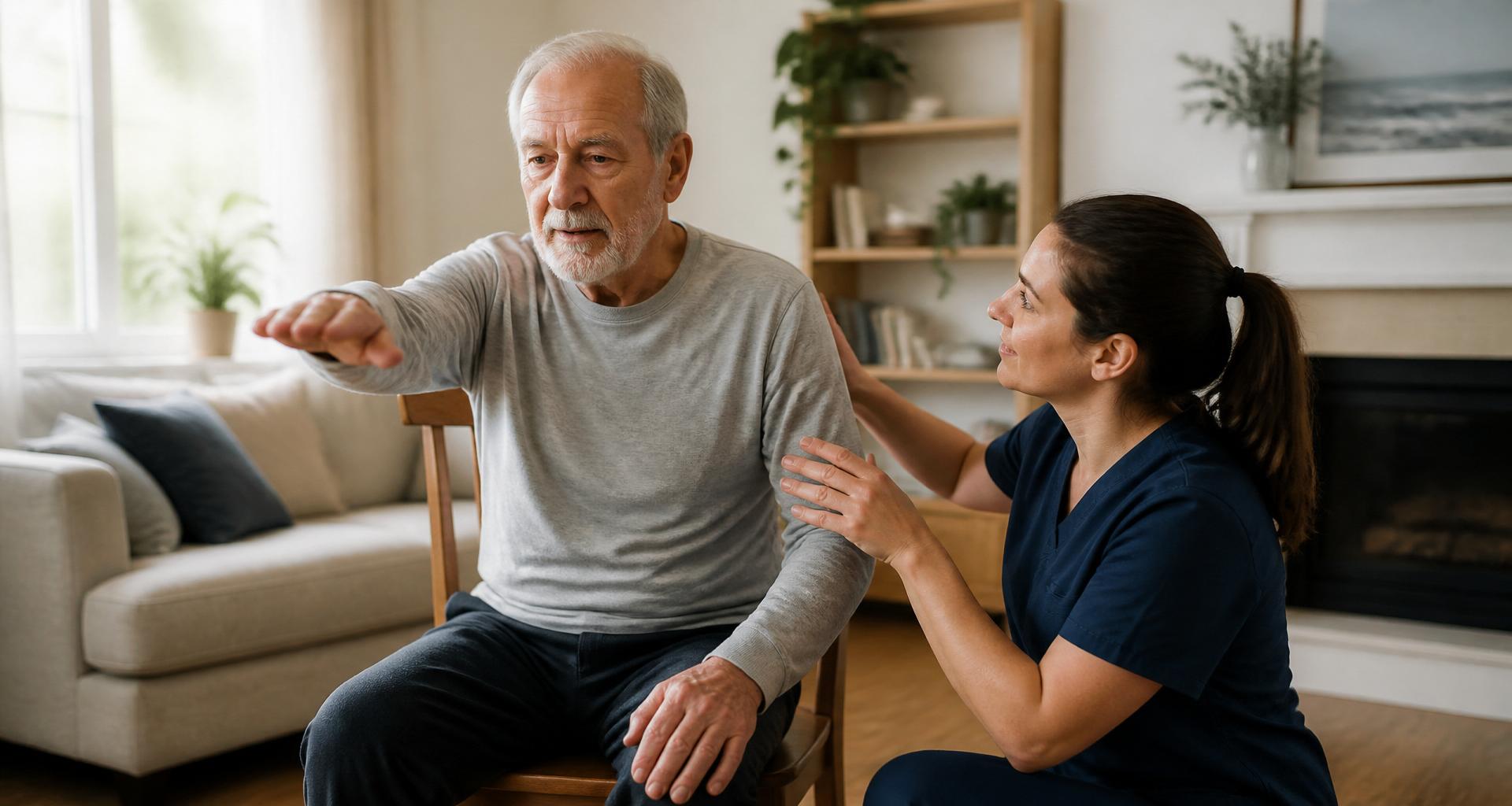
Parkinson's Care at Home: Why Medication Management Alone Isn't Enough
Medication timing matters. So do freezing episodes, fall patterns, fatigue, and the non-motor symptoms families rarely discuss.
Read article
What Makes Dementia Care "Specialized"? Understanding the Difference That Changes Outcomes
Nearly every agency uses the word. Very few structure care in a way that earns it. Here is how families can tell the difference.
Read article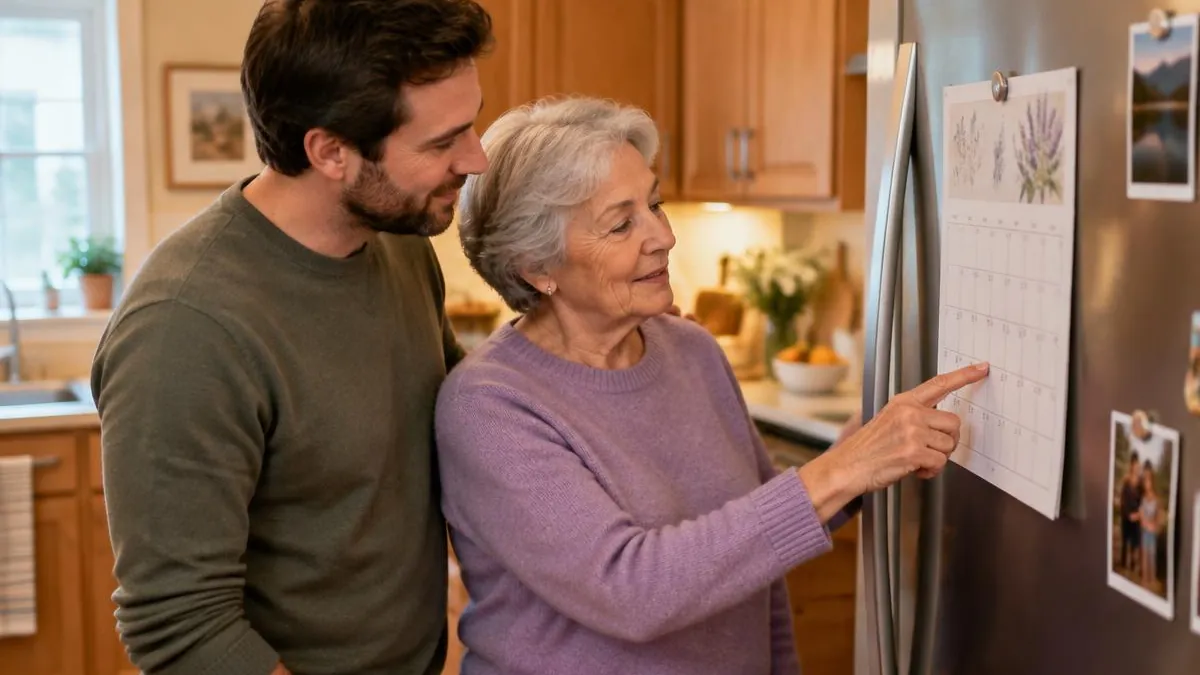
What Is the Difference Between Dementia and Alzheimer's Disease?
Understanding the diagnosis behind the symptoms, and why it matters for care at home.
Read article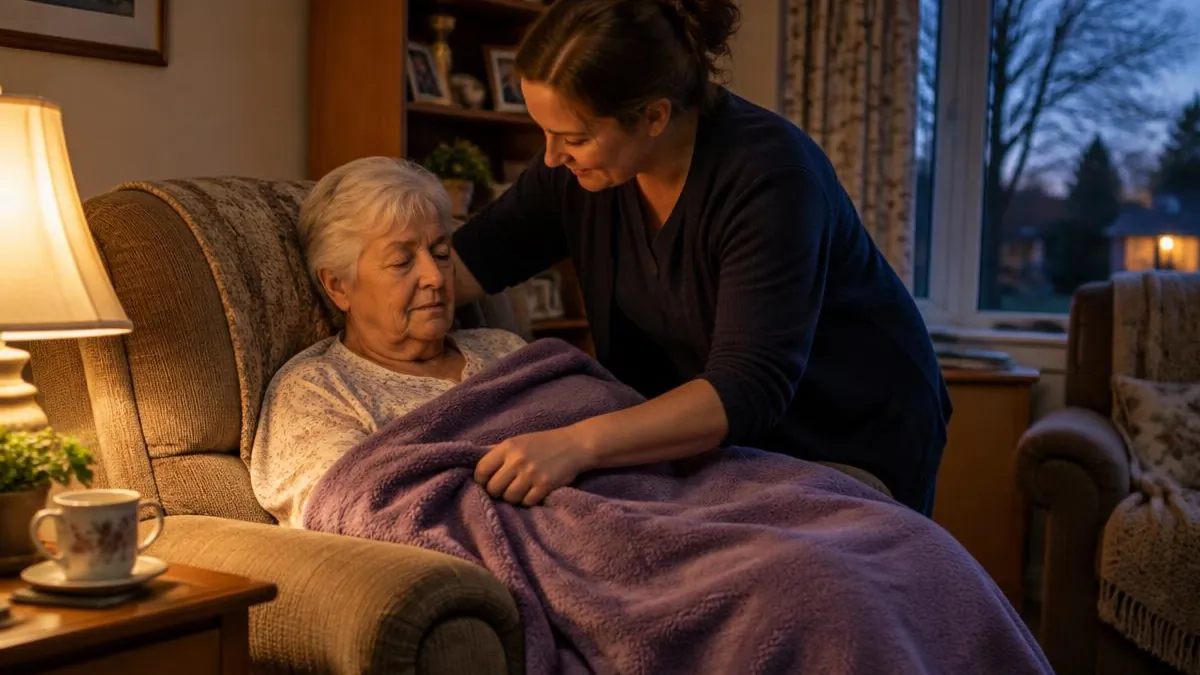
When Is It Time for 24-Hour Care? Signs Families Should Not Ignore
Recognizing the moment when home support needs to evolve, before a crisis forces the conversation.
Read article
How Does Parkinson's Disease Progress Over Time? What Families Need to Know
Understanding the stages, the rhythm of symptoms, and how to build the right support at the right time.
Read article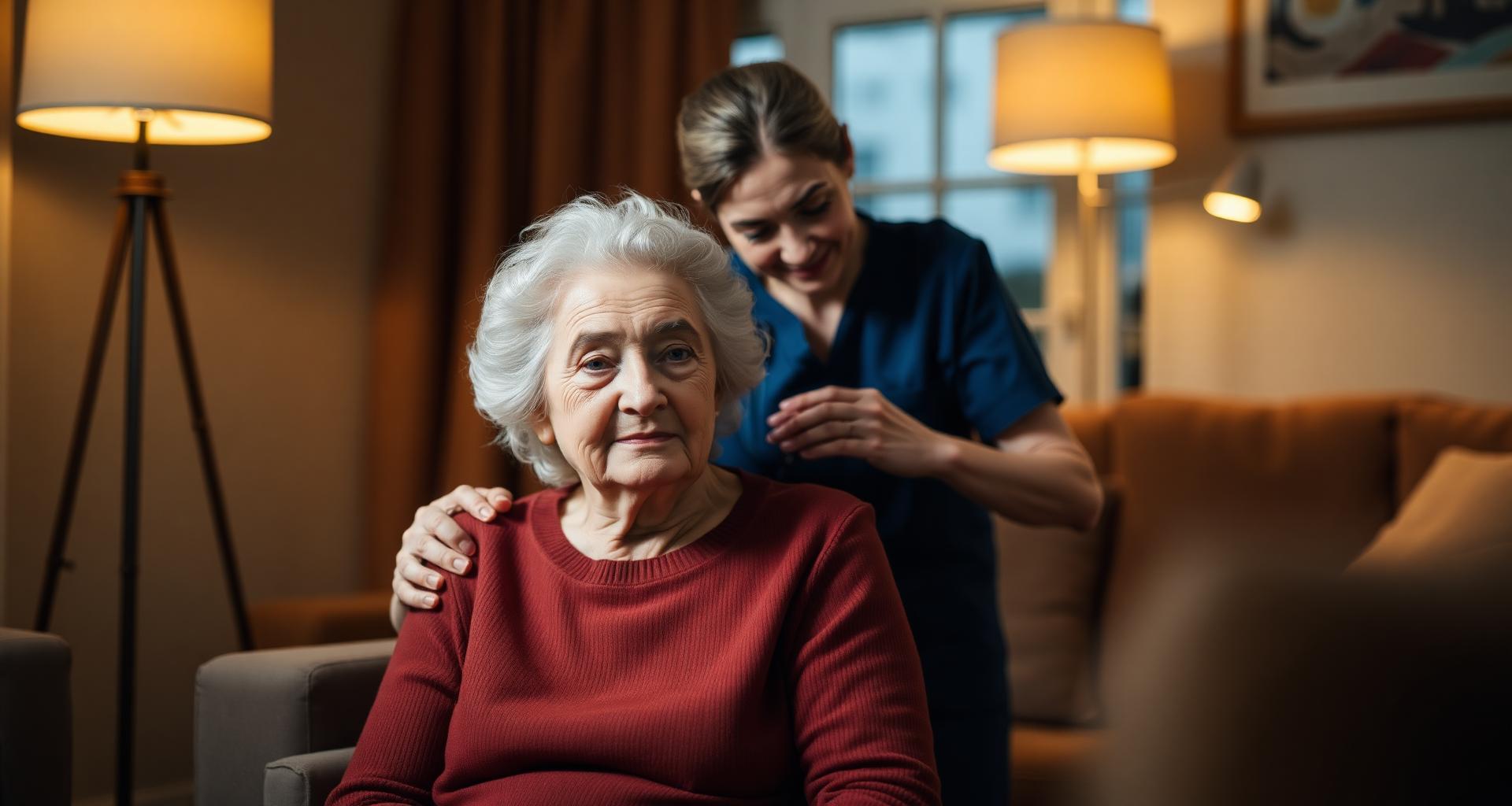
What Does Sundowning Look Like? Understanding Evening Confusion in Dementia
Why late-day distress happens, what it often means, and how families can respond in ways that actually help.
Read article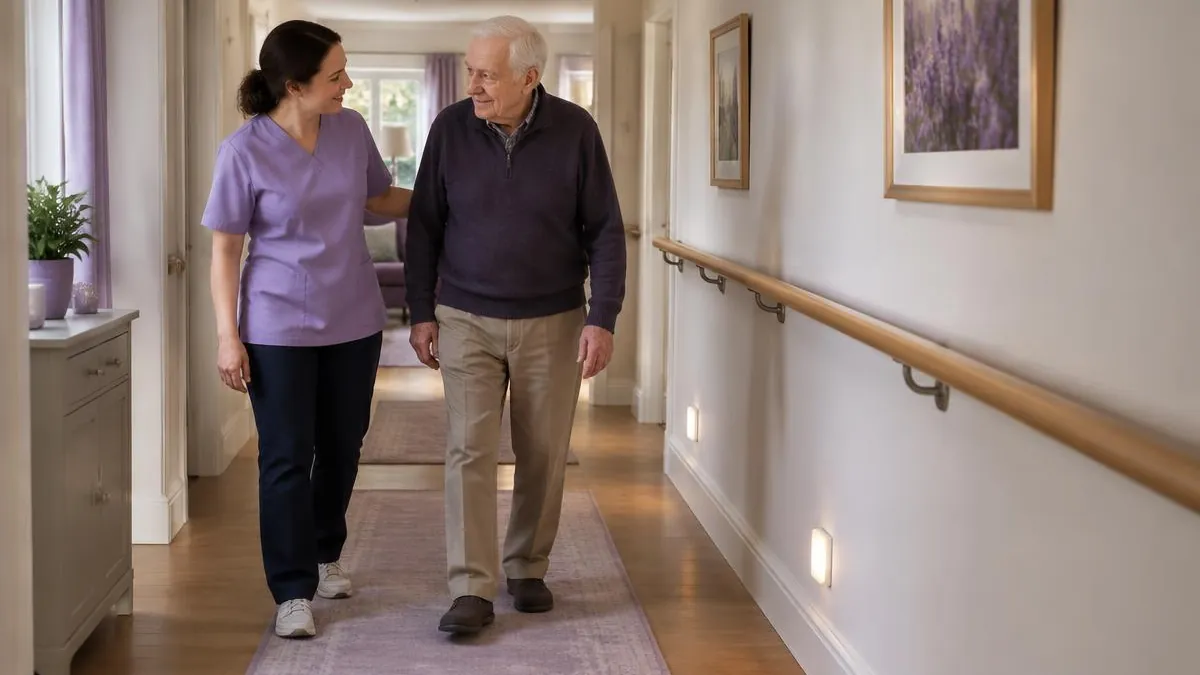
Can Someone With Dementia Stay at Home Safely?
A Dementia diagnosis does not automatically mean someone must leave home. Here's what makes aging in place with Dementia work.
Read article
Choosing Homecare for Parkinson's Disease
Parkinson's care at home requires more than daily task assistance, it requires specialized understanding.
Read article
Eric J. Dalton Honored with the Distinguished Worldwide Humanitarian Award
A recognition that speaks not to business leadership, but to the community mission underneath it.
Read article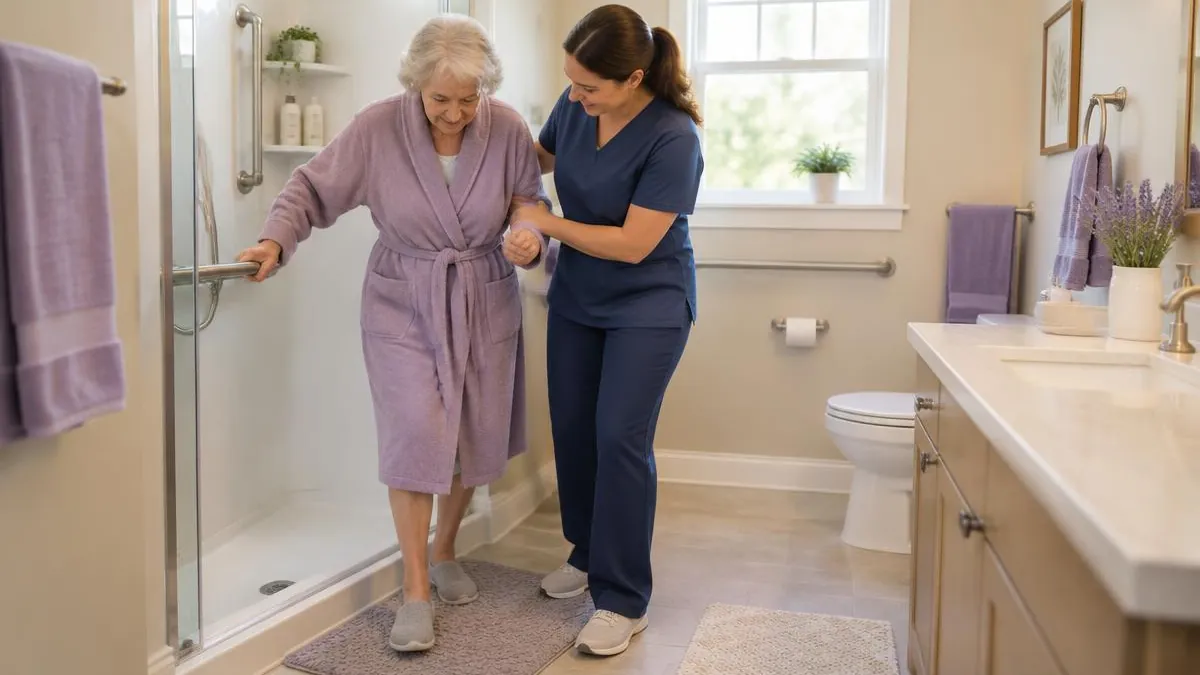
How Do You Reduce Fall Risk in Seniors? A Guide to Safer Aging at Home
Fall prevention is more than removing rugs. Here's what actually reduces risk, including Dementia and Parkinson's-specific considerations.
Read article
What Are the Early Signs of Cognitive Decline?
Not every memory change is Dementia, but some changes deserve attention. Knowing the difference helps families respond sooner.
Read article
What Questions Should Families Ask a Homecare Agency? 10 Questions Before You Choose
Most agencies sound the same. These 10 questions reveal what an agency actually provides, before one of the most important decisions of your life.
Read article
About the Author, Eric J. Dalton
Healthcare innovator, thought leader, and advocate for the future of Dementia, Parkinson's disease, and specialized care at home.
Read article
Eric J. Dalton Recognized by Marquis Who's Who Top Executives for Leadership in Home Healthcare Services
A multi-dimensional leadership role, operations, compliance, marketing, governance, that has quietly sustained a specialized care model for more than fifteen years.
Read article
Eric J. Dalton Named to Marquis Who's Who in America for Transforming Dementia and Parkinson's Care at Home
A national biographical distinction, and a body of work that has quietly reshaped what specialized homecare looks like nationwide.
Read article
Angels on Call Homecare Named a 2026 Caring SuperStar by Caring.com
A national distinction built entirely on verified family reviews, and what it reflects about specialized Dementia and Parkinson's care.
Read article
What Quality Dementia Care at Home Actually Looks Like
Redefining Dementia Care Beyond Supervision, Safety Checks, and Task Completion
Read article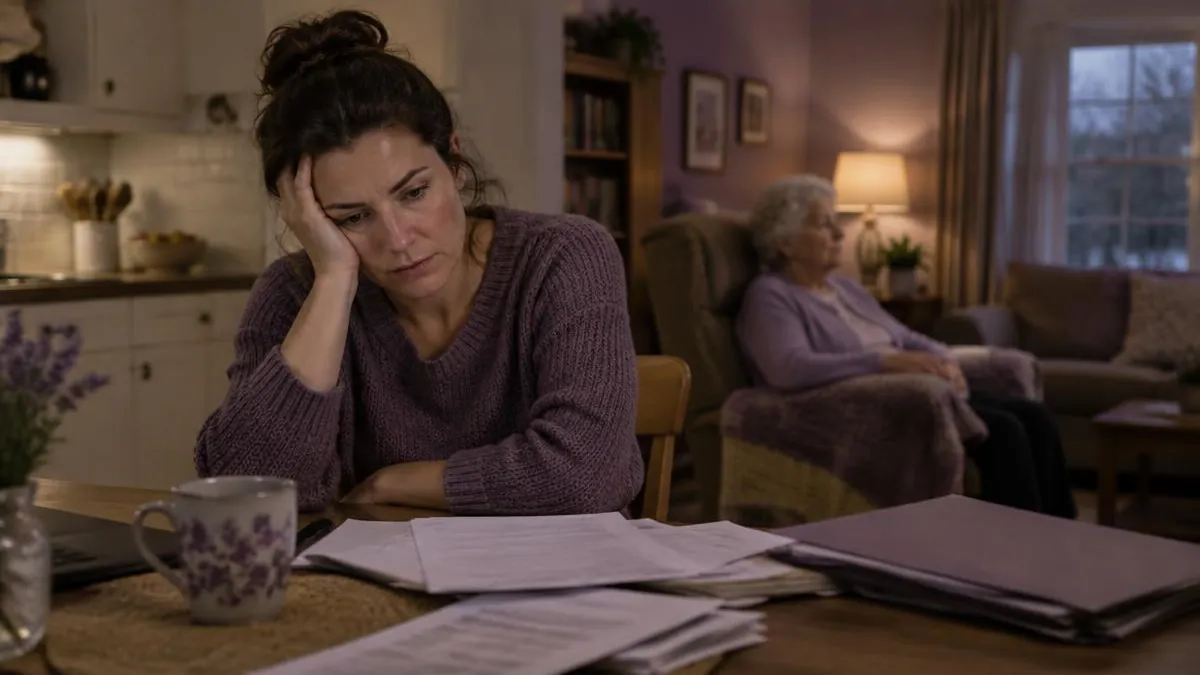
Why Getting Dementia Support Early Helps
The Crises Families Often Do Not See Coming Until They Are Already Happening
Read article
Parkinson's Disease at Home: The Symptoms Families Often Miss First
Why Parkinson's Disease Is About Far More Than Tremors
Read article
Why Specialized Parkinson's Care at Home Requires More Than Basic Caregiving
Parkinson's Disease Demands a Neurologically Informed Care Model, Not Just Assistance With Tasks
Read article
The Truth About Live-In Care: What Families Need to Understand
Why Continuity, Stability, and Familiarity Matter More Than Most Families Realize
Read article
Why Familiar Routines Matter So Much in Dementia Care
Structure Is Not Restriction, It Becomes Neurological Stability
Read articleNeed specialized care today?
Angels on Call Homecare provides specialized Dementia, Alzheimer's, and Parkinson's care at home.
Visit angelsoncallinc.comAccredited Clinical Leadership · Powered by Angels on Call Homecare
Accredited & award-winning care, powered by Angels on Call Homecare

Purple Flag Dementia Care Accredited 
CPDC Accredited, PMD Alliance 
Parkinson's Foundation Community Partner 
Alzheimer's Association Curriculum Recognized 
Age-Friendly Health Systems 
CareScout Quality Network 
Leader in Experience 
Provider of Choice 
Employer of Choice 
Caring Super Star 
HV Community Choice, Best Home Health Care 
HV Community Choice, Best Employee Training
Looking for the main Aging in Place Redefined site?
Return to AgingInPlaceRedefined.com