For most people, routine is convenience.
For someone living with Dementia, routine often becomes stability
itself.
As cognitive changes progress, the brain gradually loses its ability to
process unpredictability efficiently. New environments, sudden schedule
changes, unfamiliar people, or rushed transitions can quickly create
overwhelm.
What appears minor to others may feel neurologically chaotic to someone
living with Dementia.
That is why structured routines matter so deeply.
At Aging in Place Redefined, routine is viewed not as rigid
scheduling, but as emotional and neurological support designed to reduce
confusion, anxiety, and behavioral escalation while preserving dignity
and quality of life at home.
Because predictability creates safety.
Why Dementia Makes Change More Difficult
The Dementia-affected brain often struggles with:
-
Processing new information
-
Adapting quickly
-
Managing overstimulation
-
Transitioning between tasks
-
Understanding unexpected changes
When routines suddenly shift, individuals may experience:
-
Anxiety
-
Agitation
-
Confusion
-
Emotional distress
-
Resistance to care
-
Sleep disruption
Families sometimes misinterpret these reactions as stubbornness.
But in many cases, the person is simply overwhelmed neurologically.
What Structured Dementia Care Actually Looks Like
Quality Dementia routines often include:
These patterns help reduce cognitive strain because the brain begins
relying on familiarity instead of constant new processing.
Even small consistencies matter.
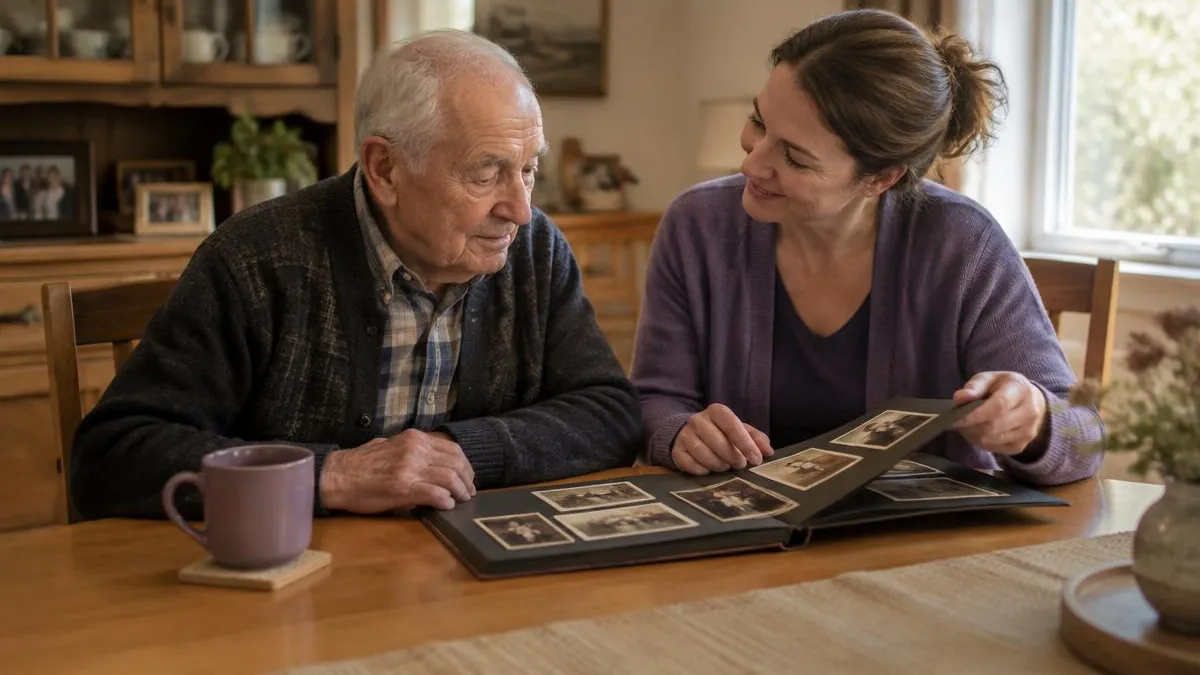
The same coffee mug.
The same chair.
The same morning greeting.
The same music during meals.
Familiarity itself becomes grounding.
Routine Helps Reduce Behavioral Escalation
Many Dementia-related behaviors worsen when the day feels chaotic or
unpredictable.
Structured routines may help reduce:
-
Sundowning
-
Wandering
-
Anxiety
-
Agitation
-
Sleep disruption
-
Resistance to care
-
Emotional overwhelm
This is especially important during:
-
Bathing
-
Medication routines
-
Bedtime transitions
-
Mealtimes
-
Caregiver changes
Predictability creates emotional reassurance.
Familiarity Supports Identity
Routine is not only about efficiency.
It is also about preserving identity.
A lifelong morning prayer routine.
Coffee at the same time every day.
Folding laundry together.
Listening to favorite music before dinner.
These are not meaningless habits.
They are emotional anchors connected to memory, comfort, and selfhood.
Quality memory care at home protects these rituals whenever possible.
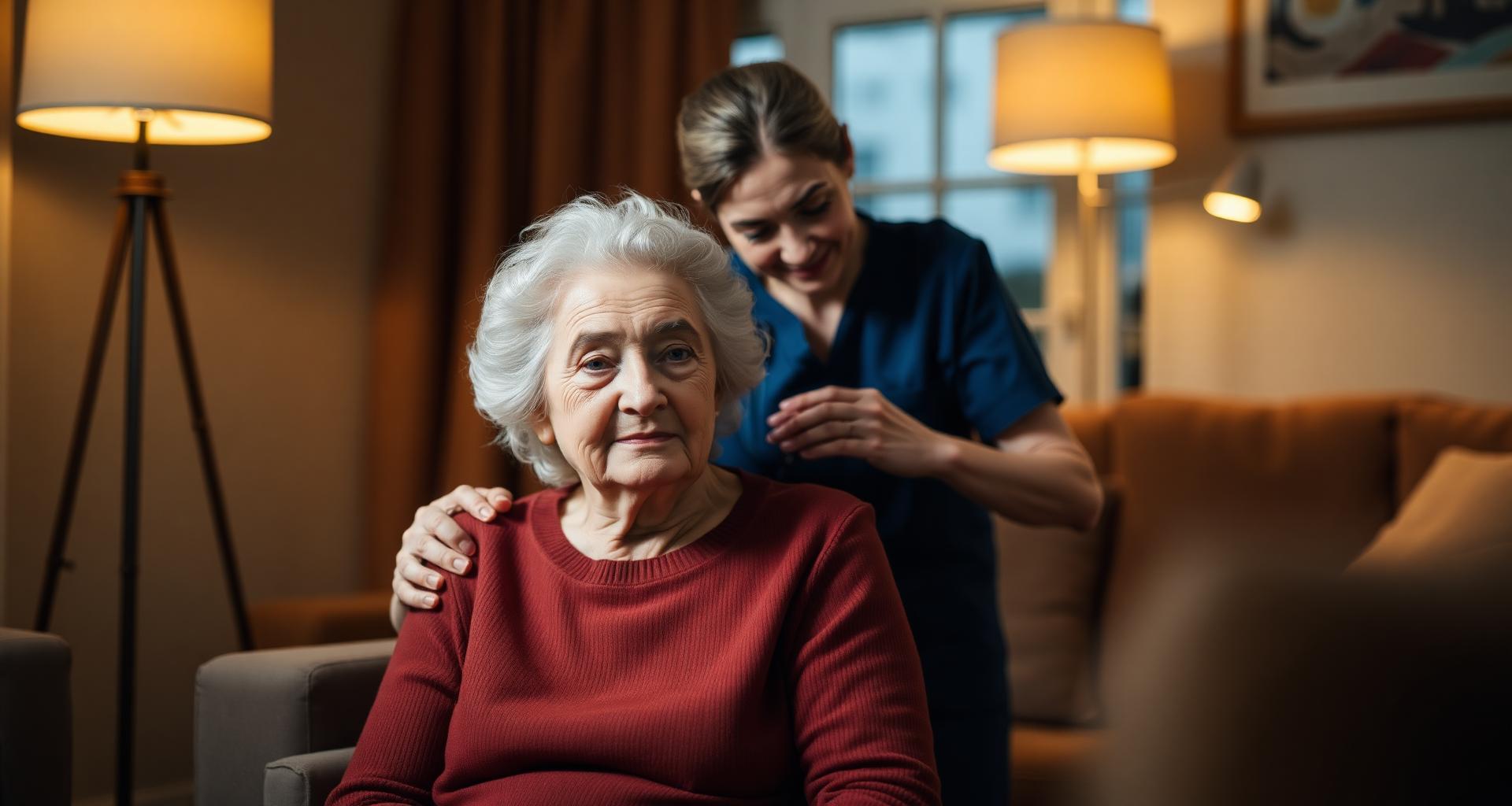
Caregiver Consistency Matters Too
Frequent caregiver turnover can destabilize someone living with
Dementia.
Familiar caregivers often improve:
-
Trust
-
Communication
-
Cooperation
-
Emotional calmness
-
Sense of safety
At Angels on Call Homecare, continuity and relationship-centered care
are viewed as essential parts of structured Dementia support.
Because relationships themselves become stabilizing.
Key Takeaways
-
Routine becomes neurological stability in Dementia care
-
Predictability reduces confusion, anxiety, and overstimulation
-
Familiar rituals help preserve emotional comfort and identity
-
Structured care routines may reduce agitation and behavioral
escalation
-
Consistent caregivers improve trust and emotional safety
-
Small daily patterns can have enormous emotional impact
Frequently Asked Questions
Why are routines important in Dementia care?
Routines reduce cognitive strain, improve emotional stability, and help
individuals living with Dementia feel safer and less overwhelmed.
Can structured routines reduce Dementia behaviors?
Yes. Predictable routines may help reduce anxiety, agitation, wandering,
sundowning, and resistance to care.
What routines help Dementia patients most?
Consistent wake times, meals, caregiver schedules, calming evening
routines, meaningful engagement, and familiar daily rituals often help
significantly.
Does changing caregivers affect Dementia patients?
Frequent caregiver changes can increase confusion and emotional
distress. Familiar caregivers often improve trust, cooperation, and
stability.
About the Author
Eric J. Dalton is a Dementia and Parkinson's care strategist and
advocate for dignity-centered aging at home. Through Aging in Place ,
Redefined and leadership at Angels on Call Homecare, his work focuses on
redefining emotionally intelligent, clinically guided care models that
preserve familiarity, purpose, and quality of life at home.