One of the most common questions families ask when a loved one begins experiencing memory changes is: "Is it Dementia… or Alzheimer's?"
The words are used interchangeably in everyday conversation, even though they do not mean the same thing. Understanding the difference matters, because the type of cognitive change someone is experiencing can affect symptoms, progression, communication strategies, safety needs, and the type of support that may help them continue living with dignity at home.
A diagnosis does not define a person. But understanding the diagnosis can help families provide better care.
Quick Answer: Are Dementia and Alzheimer's Disease the Same Thing?
No. Dementia is an umbrella term describing a group of symptoms affecting memory, thinking, communication, and daily function. Alzheimer's disease is one specific condition that causes those symptoms, and the most common one. Not everyone with Dementia has Alzheimer's, but everyone with Alzheimer's has Dementia.
Key Takeaways
- Dementia is not a single disease, it describes a collection of symptoms caused by changes in the brain.
- Alzheimer's disease is the most common cause of Dementia but not the only one.
- Other types include Lewy Body Dementia, Vascular Dementia, frontotemporal Dementia, and Parkinson's disease Dementia.
- The type of Dementia can affect communication strategies, behavioral responses, and care needs.
- Behaviors in Dementia are often a form of communication, understanding them changes how families respond.
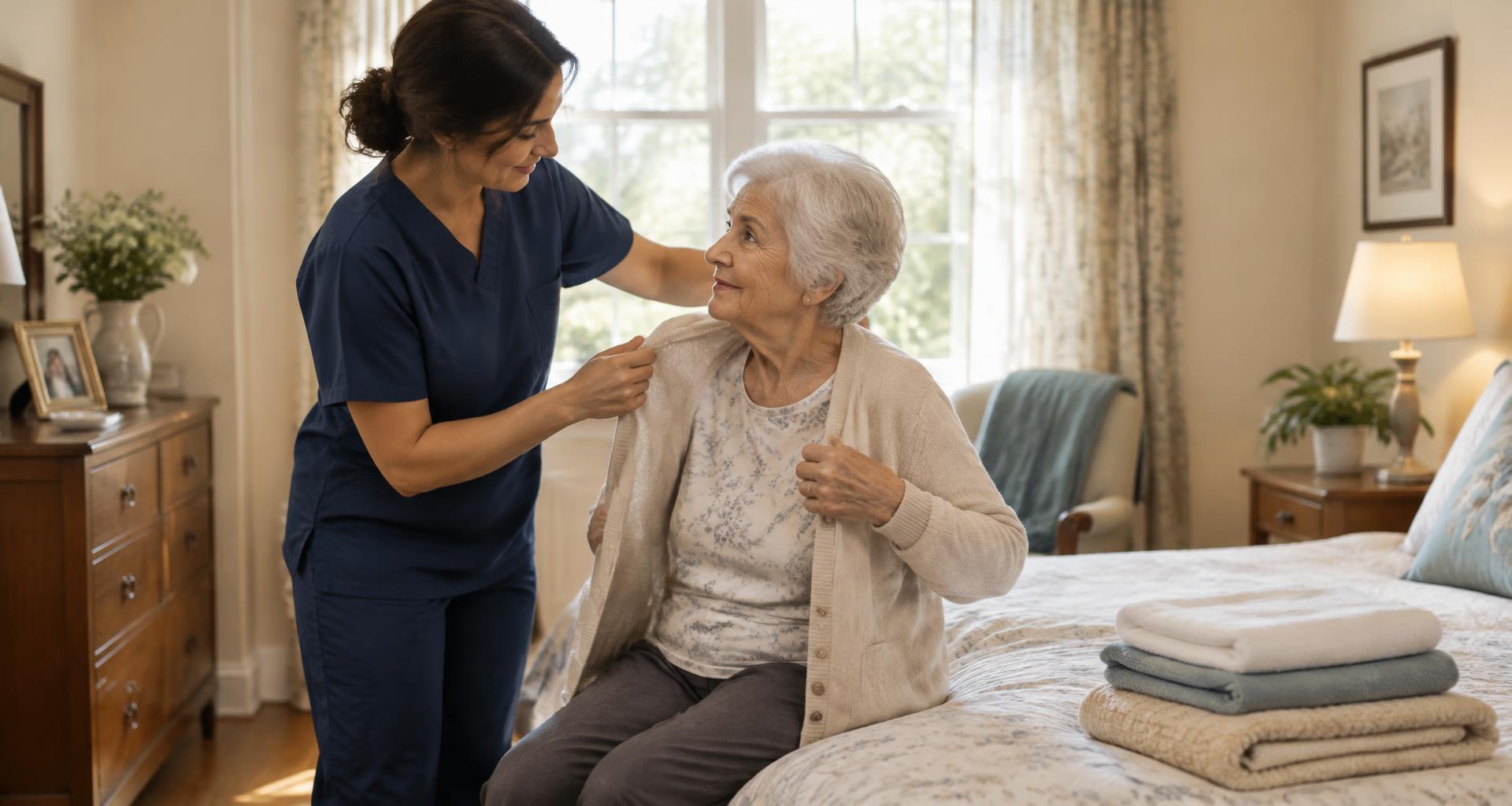
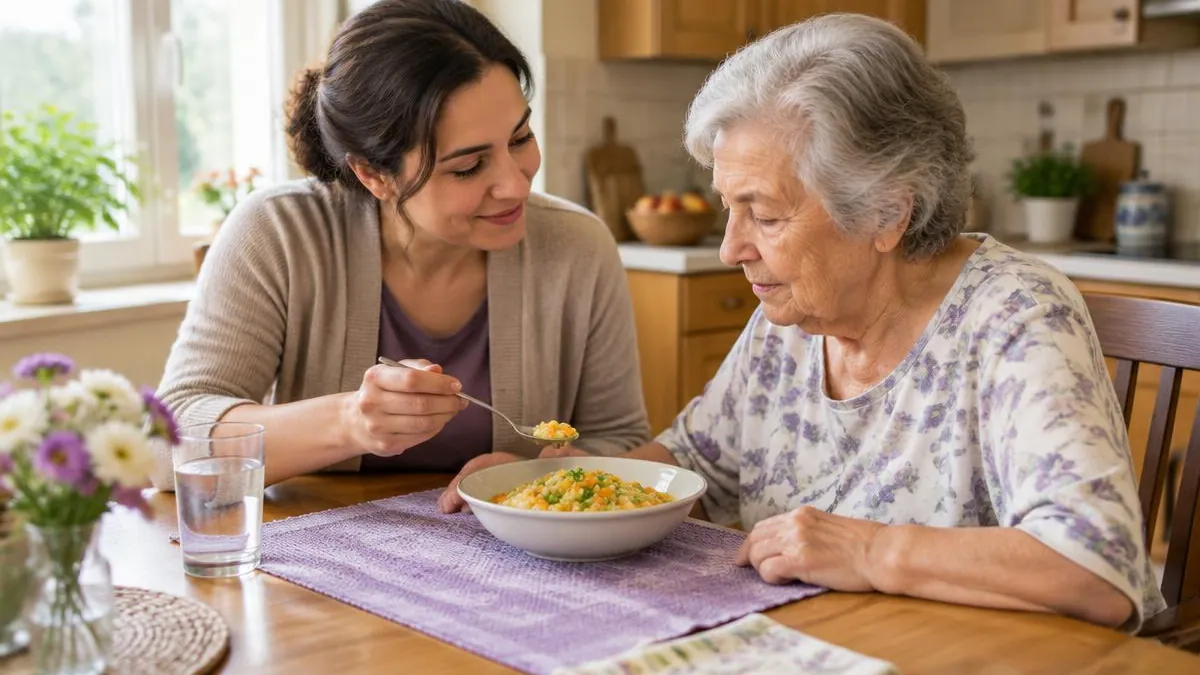
- Many people living with Dementia can remain safely at home with the right support structure.
- Person-centered care focuses on the individual behind the diagnosis, not only the symptoms.
What Is Dementia?
Dementia is not one specific disease. It is a collection of symptoms caused by changes in the brain that may affect memory, communication, judgment, problem-solving, personality, behavior, movement, and the ability to complete daily activities.
Many families first notice small changes: repeating questions, missing appointments, difficulty managing finances, getting lost while driving, changes in personality, trouble following conversations. But Dementia is not simply forgetfulness. It affects how a person experiences and interacts with the world around them. And different types of Dementia can look very different.
What Is Alzheimer's Disease?
Alzheimer's disease is a progressive brain disease and the most common cause of Dementia. It often begins with changes involving short-term memory, learning new information, finding words, completing familiar tasks, and managing complex activities.
Over time, Alzheimer's disease can affect communication, mobility, safety awareness, and daily care needs. But every journey is different. The person is always more than the disease. Their history, personality, relationships, routines, and passions still matter. Quality Dementia care should recognize that, always.
Other Common Types of Dementia
Lewy Body Dementia
Lewy Body Dementia may involve fluctuating alertness, visual hallucinations, movement changes, sleep disturbances, and changes in attention. It is often misunderstood because symptoms can vary significantly from day to day.
Vascular Dementia
Vascular Dementia occurs due to problems with blood flow to the brain. Symptoms may include changes in planning, slower thinking, difficulty organizing tasks, and memory changes. Progression may look different than Alzheimer's disease.
Frontotemporal Dementia
Frontotemporal Dementia often affects personality, behavior, decision-making, and communication. Memory may not always be the first noticeable symptom, which is one reason assuming all Dementia looks the same can create significant challenges for families.
Parkinson's Disease Dementia
Some individuals living with Parkinson's disease develop cognitive changes over time, affecting thinking speed, attention, visual processing, judgment, and memory. When movement symptoms and cognitive symptoms overlap, care needs often become more complex.
Why Knowing the Type of Dementia Matters
Different types of Dementia may require different approaches in communication, environment, activity design, behavioral response, and safety planning. Good Dementia care is never one-size-fits-all.
Understanding Dementia Behaviors Differently
One of the most powerful shifts families can make is recognizing that behaviors often communicate something. A person living with Dementia may not always be able to say "I am scared" or "I need something", instead, those feelings may appear as repetition, resistance, pacing, anxiety, agitation, or withdrawal.
The question changes from "How do we stop this behavior?" to "What is this person trying to communicate?" That shift changes everything about how care feels.
Can Someone With Dementia Continue Living at Home?
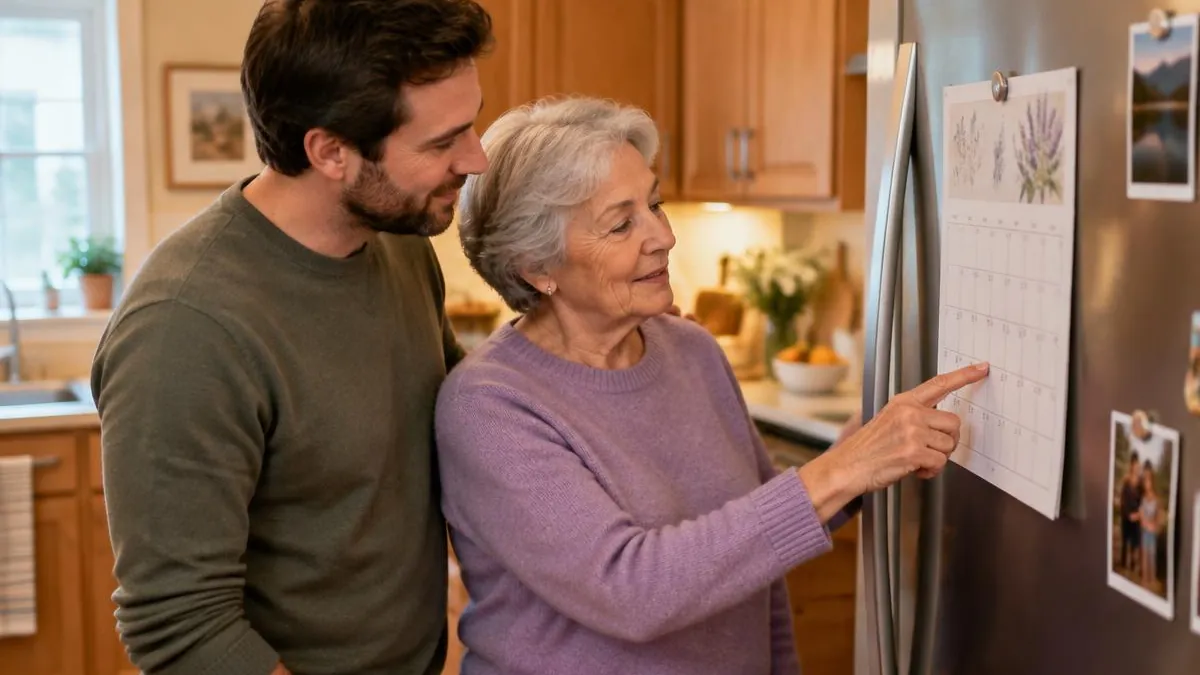
Often, yes. But success depends on having the right support structure in place. Aging in place with Dementia may require safe routines, environmental adjustments, cognitive engagement, family education and support, specialized Dementia training, and ongoing monitoring as needs change. Learn more in Can Someone With Dementia Stay at Home Safely?
For families seeking specialized support, programs developed through Angels on Call Homecare focus on helping individuals living with Dementia and Parkinson's disease remain safe, engaged, and supported at home.
Dementia Care Checklist for Families
- Are memory changes affecting safety?
- Are routines becoming harder to maintain?
- Is your loved one withdrawing from meaningful activities?
- Are behaviors becoming difficult to understand?
- Are family caregivers feeling overwhelmed?
- Is the current support plan reactive instead of proactive?
If several answers are yes, it may be time to explore additional support.
Final Thought
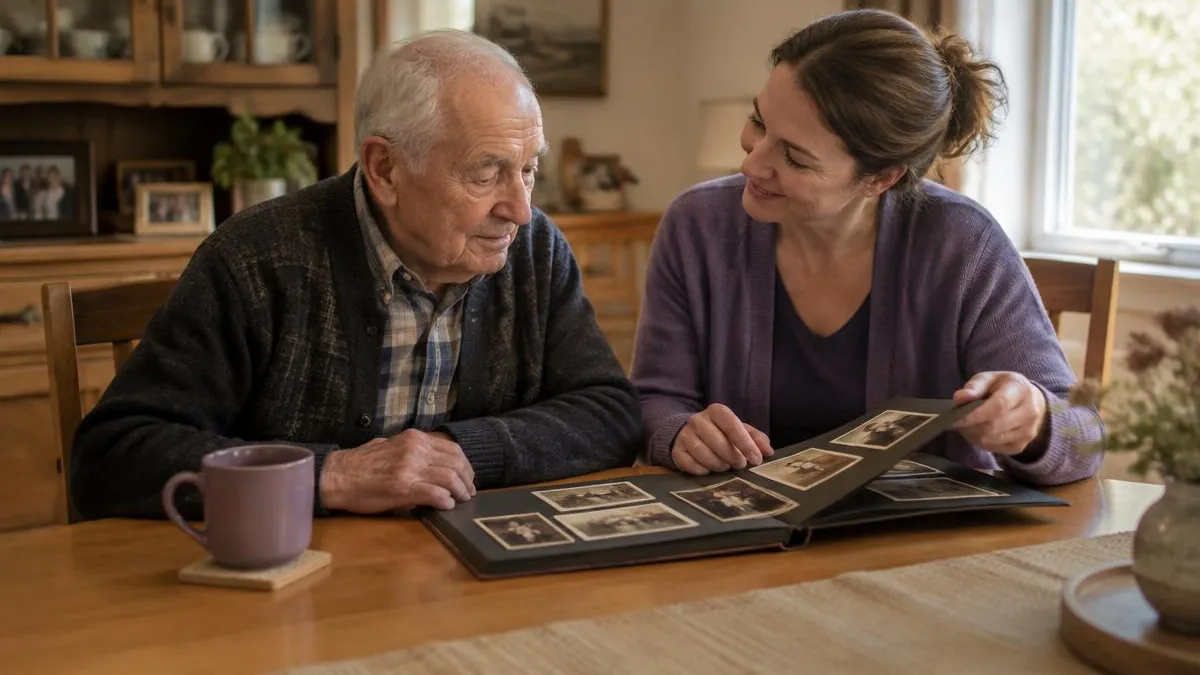
Dementia changes many things. But it does not erase the person. Behind every diagnosis is a lifetime of experiences, relationships, abilities, memories, and identity. Understanding the difference between Dementia and Alzheimer's disease is not just about knowing medical terms. It is about knowing how to better support the person you love. Because better understanding creates better care.
Families can explore additional tools and resources through Aging in Place Redefined to better understand care needs and available support options.