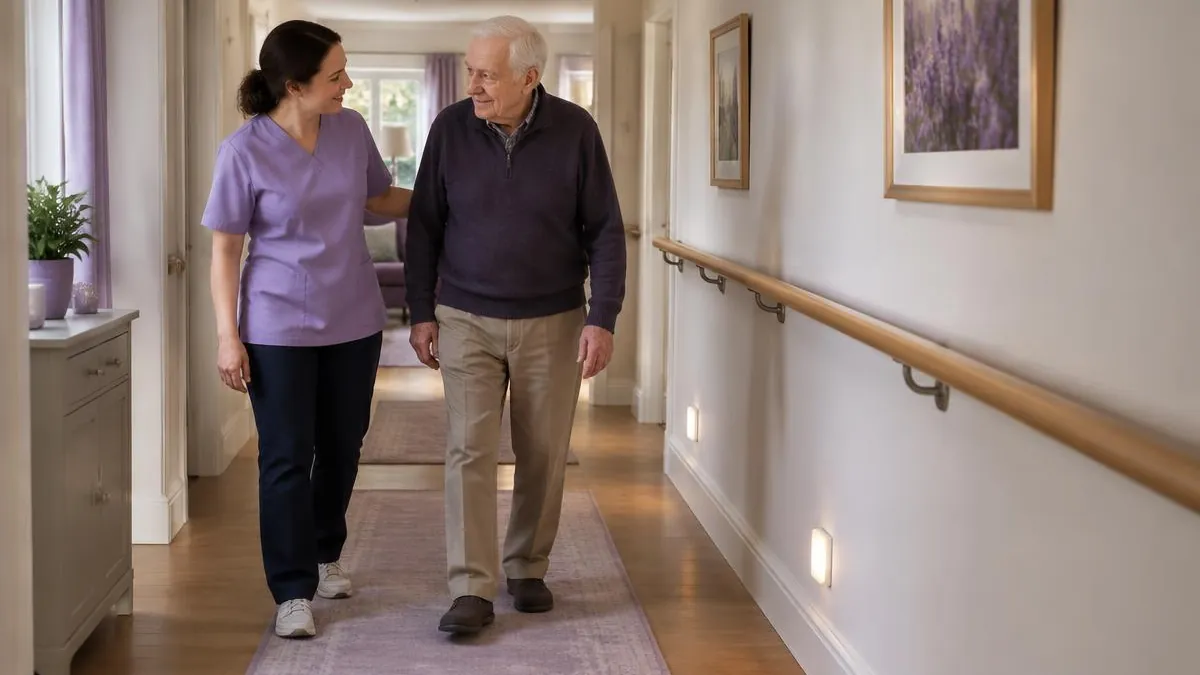
When someone receives a Dementia diagnosis, one of the first fears families often have is: "Does this mean they can't stay home?"
Home is rarely just a building. Home is morning routines, favorite chairs, family photographs, neighbors, memories, a lifetime of moments. For many families, the thought of leaving that behind feels heartbreaking.
The better question is: "What support does this person need to remain safe, supported, and connected?" That question changes everything.
Quick Answer: Can People With Dementia Live at Home?
Yes, many can, with the right support structure. A Dementia diagnosis alone does not determine where someone should live. What matters is understanding the individual's needs, abilities, safety risks, and support system. Many people living with Dementia remain safely and meaningfully at home for years with specialized care, structured routines, and family support.
Key Takeaways
- A Dementia diagnosis does not automatically require leaving home.
- Safety is essential, but it is only one part of a meaningful life at home.
- Structured routines reduce uncertainty and support independence.
- Behaviors in Dementia are often communication, understanding them transforms care.
- Family caregivers need support too, Dementia affects the entire family system.
- Warning signs like wandering, missed medications, and increasing falls signal the need for additional support, not necessarily a move.
- Advanced Dementia does not automatically end the possibility of living at home.
What Makes Home Successful for Someone With Dementia?
Safety
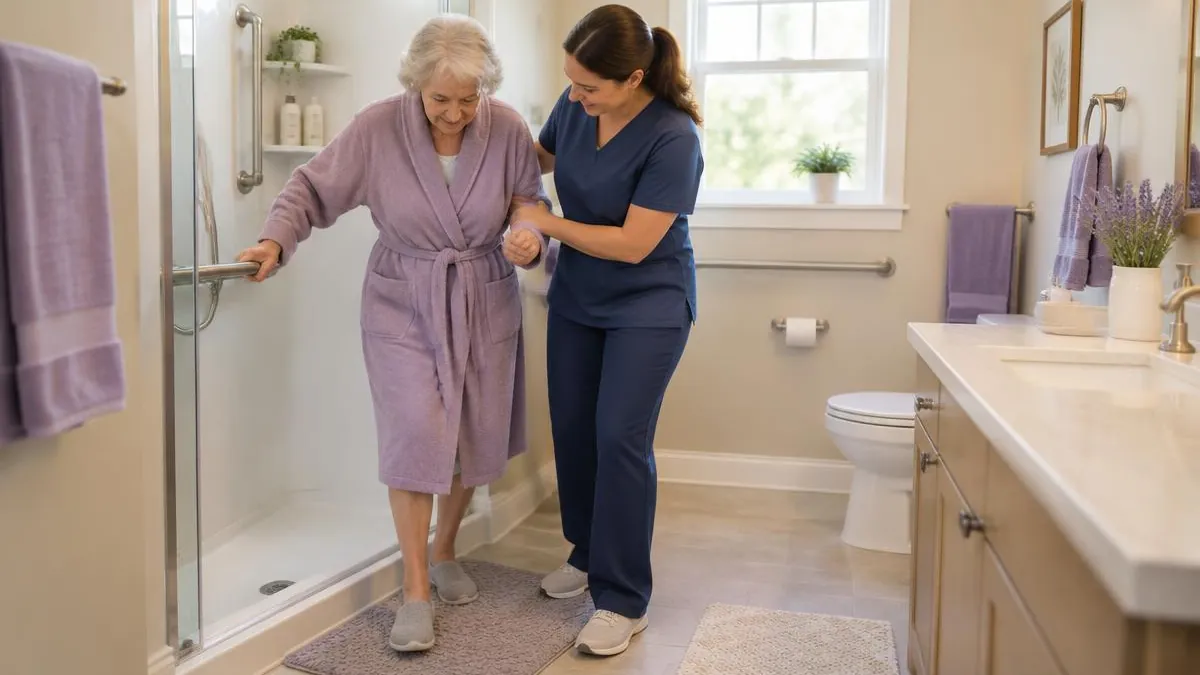
Safety is often where families focus first, and it matters. Families should consider fall risks, medication safety, cooking safety, wandering concerns, emergency response ability, and home environment risks. But safety is only one piece. A person can be physically safe and still feel isolated, disconnected, and without purpose. Great care considers both.
Structure and Routine
Dementia often affects the brain's ability to organize information. Routine helps reduce uncertainty. Consistent routines can support comfort, confidence, cooperation, independence, and emotional wellbeing. Small predictable moments can become powerful anchors, a morning routine, a favorite activity, a familiar song, a daily walk.
Meaningful Engagement
One of the biggest mistakes in Dementia care is confusing supervision with quality of life. Someone can be watched all day and still not be truly supported. People need connection, purpose, identity, and joy. Specialized Dementia care should focus not only on what someone needs help with, but on what still makes them feel alive.
Understanding Behavioral Changes
Repeating questions, resistance, agitation, wandering, and anxiety are often communication. The person may be expressing: "I am scared," "I am overwhelmed," "I need something." Changing the question from "How do we stop this?" to "What does this person need?" can transform the entire experience of Dementia care. See What Does Sundowning Look Like?
When Living Alone With Dementia Becomes Riskier
Warning signs may include leaving appliances on, wandering or getting lost, missing medications, increased falls, poor nutrition, difficulty maintaining hygiene, unsafe decision-making, and increasing family caregiver exhaustion. These signs do not automatically mean someone must leave home. They mean the current support system may need to change. See When Is It Time for 24-Hour Care?
The Role of Family Caregivers
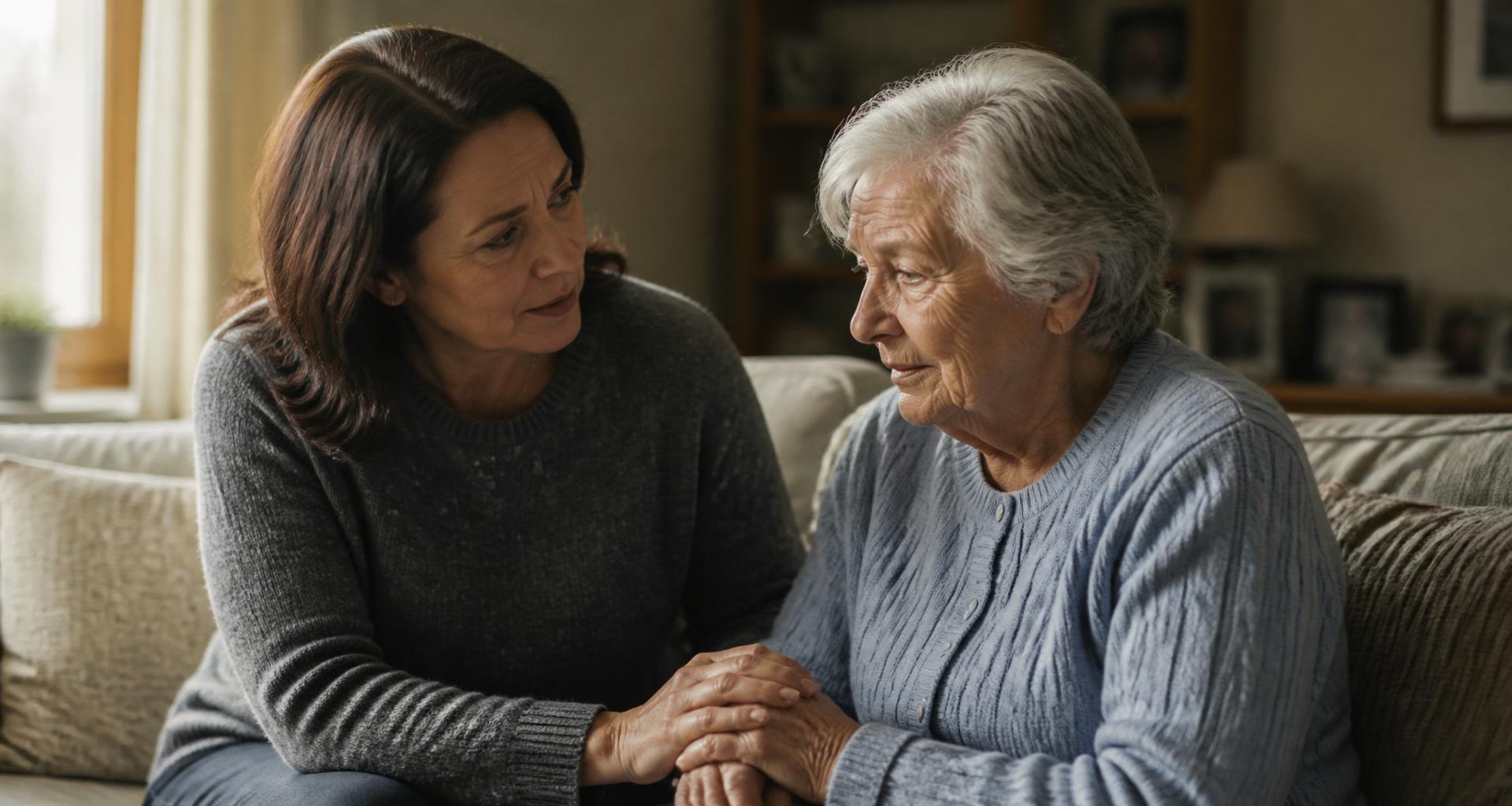
Many families do extraordinary work supporting someone with Dementia. But Dementia is not only challenging for the person diagnosed. It impacts the entire family system. Family caregivers may experience exhaustion, anxiety, sleep loss, constant worry, and emotional stress. Supporting family caregivers is part of supporting the person with Dementia. No one should have to carry everything alone.
Dementia Home Safety Checklist
- Are medications managed safely?
- Are meals and hydration consistent?
- Are falls being prevented?
- Is wandering risk addressed?
- Is the home environment supportive?
- Are routines consistent?
- Is meaningful engagement happening?
- Are family caregivers supported?
For families seeking structured Dementia support, Angels on Call Homecare provides specialized Dementia-trained Care Professionals throughout New York.
Final Thought
The better question is not "Can someone with Dementia stay home?" It is: "What needs to happen for home to remain safe, meaningful, and supportive?" Because home is more than a place. It represents familiarity, identity, comfort, and connection. Dementia may change memories. But compassionate care protects moments.