On this page
Executive Summary
In New York, home care roles are legally distinct, not interchangeable titles: Companions provide non-medical company and light household support; Personal Care Aides (PCAs) add hands-on personal care like bathing and dressing; Home Health Aides (HHAs) complete additional training and can perform basic health-related tasks under supervision; CNAs, LPNs and RNs are licensed clinical roles, with RNs holding the broadest scope, including case management and clinical oversight. Matching the credential to the actual care need is the central decision families face, and getting it wrong isn't just an administrative error, it can mean a person isn't receiving the level of care their condition actually requires.
Why This Confusion Costs Families Time and Safety
“Caregiver” gets used as a catch-all word in everyday conversation, and that's fine in casual use, but in New York, the roles behind that word carry real legal distinctions in training, certification, and permitted tasks. A family that assumes any “caregiver” can check blood pressure, remind someone to take medication, or assist with a specific health- related task may be assuming a scope of practice that the specific person in their home isn't actually trained or legally permitted to provide. Getting this right matters for safety, not just for compliance.
Companion
A Companion provides non-medical support: company, conversation, light housekeeping, meal preparation, and help with errands. This role does not include hands-on personal care like bathing or dressing, and it does not include any health-related tasks.
Personal Care Aide (PCA)
A PCA's scope extends beyond a Companion's to include hands-on personal care (bathing, dressing, toileting and mobility support) and, for Level II aides when it's in the care plan, assisting a person who self-administers medication: reminders, reading the label, opening the container. A PCA does not perform the health-related tasks reserved for home health aides, such as taking vital signs or changing dressings.
Home Health Aide (HHA)
An HHA completes additional training beyond a PCA's, covering basic health-related observation and reporting tasks. Under New York's regulatory framework, HHAs work within a defined scope set out in state guidance, often referred to informally as a “matrix” of permissible activities, that allows certain health-related tasks outside a PCA's scope, such as simple measurements (for example vital signs), special skin care, and dressing changes on stable surface wounds. Like Level II PCAs, HHAs may assist with self-administration of medication when it's in the care plan (reminding, reading the label, bringing the medication, opening the container, positioning, providing liquids). Neither may administer medication; administration is a licensed nursing task.
Certified Nursing Assistant (CNA)
CNA is a credential most commonly associated with facility-based settings (nursing homes, hospitals) rather than home care specifically. Importantly, a CNA credential does not automatically confer the same permitted-task scope as an HHA credential in New York's home care regulatory framework, a person with CNA training generally needs to complete the specific home care aide requirements to work in that capacity, even though the underlying skills overlap substantially.
Licensed Practical Nurse (LPN)
An LPN is a licensed clinical role under New York's Nurse Practice Act (Article 139 of the NYS Education Law), permitted to perform a range of clinical tasks, medication administration, wound care, and other skilled tasks, typically under the supervision or direction of an RN or physician, with a scope that sits between an HHA's and an RN's.
Registered Nurse (RN)
An RN holds the broadest scope among these roles, including clinical assessment, care planning, case management, supervision of other care team members, and a wide range of skilled nursing tasks performed independently within their licensed scope. In a home care agency setting, RN Case Managers are typically the clinical backbone coordinating the rest of the care team.
Comparison Table: Training, Certification Body, and Permitted Tasks
| Role | Typical training | Governing framework | Core scope |
|---|
| Companion | Agency orientation; no formal health training | Agency policy | Non-medical company, light household support |
| PCA | State-approved personal care aide training program | NYS DOH personal care aide training standards | Hands-on personal care; Level II aides may assist with self-administered medication per the care plan |
| HHA | Personal care training plus additional health-related training | NYS DOH home health aide training and task guidance | Personal care plus certain health-related tasks (simple measurements such as vital signs, special skin care, simple dressing changes); may assist with self-administered medication |
| CNA | Nurse aide training and competency evaluation | Primarily facility-based nursing regulation | Facility-based nursing support; requires separate home care aide qualification for home settings |
| LPN | Licensed practical nursing education and licensure | NYS Education Law, Article 139 (Nurse Practice Act) | Clinical nursing tasks, including medication administration, under RN/physician direction |
| RN | Registered nursing education and licensure | NYS Education Law, Article 139 (Nurse Practice Act) | Full clinical assessment, care planning, case management, broadest independent scope |
This table reflects general New York regulatory categories; scope-of-practice rules can change, and this is not a substitute for confirming current requirements directly with the NYS Department of Health or NYS Education Department.
How These Roles Work Together on a Care Team
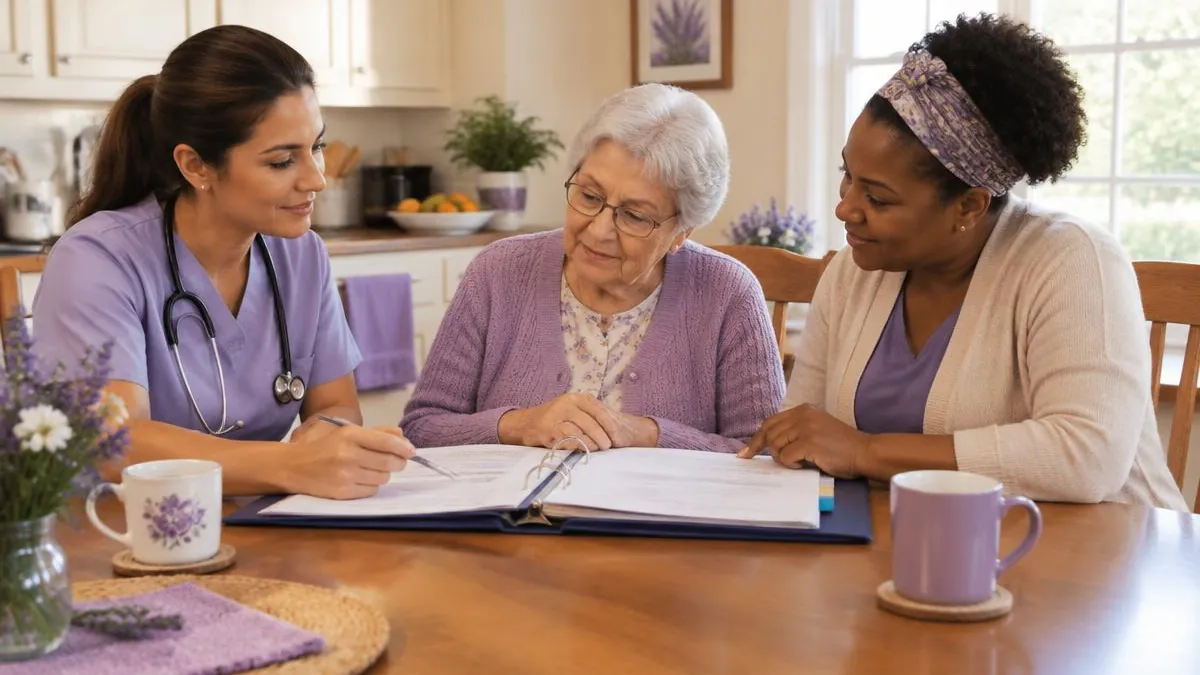
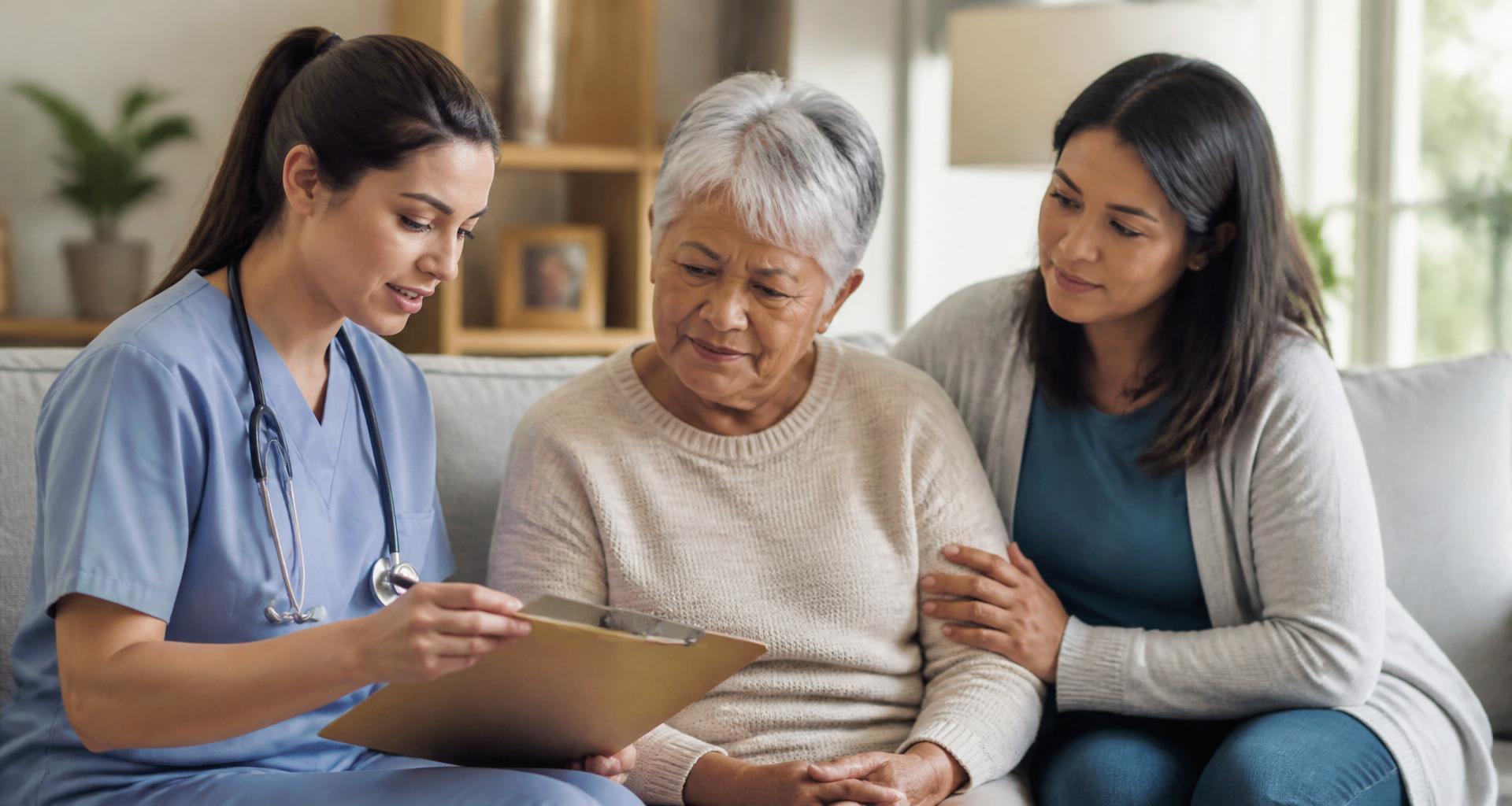
Angels on Call Homecare has spent more than two decades building care teams that combine these roles correctly, RN Case Managers overseeing Care Professionals whose training and credential match the actual clinical need. In practice, this often means an RN conducts the initial assessment and builds the care plan, an HHA or PCA provides day-to- day hands-on support matched to that plan, and the RN remains involved for ongoing oversight, adjustments, and any tasks that require a licensed clinical scope.
Common Misunderstandings
“Caregiver” as an umbrella term vs. a legal title
“Caregiver” is a useful, natural word in everyday conversation and even in search behavior, people looking for help say “caregiver near me,” not “personal care aide near me.” But when a family is deciding what level of support they actually need, or confirming what a specific worker is trained and permitted to do, the specific legal title, not the umbrella word, is what actually matters.
Why a CNA credential doesn't automatically transfer to home care duties
Because CNA training and certification are oriented primarily toward facility-based settings, a CNA moving into home care in New York typically needs to complete additional home care aide-specific training requirements, the underlying nursing-assistant skills are valuable and relevant, but the credential alone doesn't automatically satisfy home care regulatory requirements.
What “RN Case Manager oversight” actually means
This phrase, used often in home care marketing, specifically means that a licensed RN is actively involved in assessing needs, building and adjusting the care plan, and supervising the broader care team, not simply that a nurse is nominally associated with the agency somewhere in its organizational chart.
How to Match the Right Role to Your Family's Needs
Start with what the person actually needs day to day: is it company and light household help (Companion), hands-on personal care (PCA), personal care plus basic health monitoring (HHA), or ongoing clinical management (LPN/RN involvement)? Needs often change over time, which is why an initial RN assessment, and periodic reassessment, matters more than picking a single fixed role once and assuming it will remain the right fit indefinitely.
What This Means When You're Evaluating a Homecare Agency
A licensed agency should be able to clearly explain which role is providing which part of a family's care, and how clinical oversight is structured, a vague answer to “who is actually doing what” is worth treating as a real yellow flag during the evaluation process.
Frequently Misunderstood Issues
Families sometimes assume that “more experienced” automatically means “qualified for more tasks”, experience matters, but in New York's regulatory framework, specific tasks are tied to specific credentials, not years on the job alone. It's also commonly assumed that hiring “a nurse” privately is straightforward; LPNs and RNs are licensed professionals whose practice is governed by the Nurse Practice Act regardless of employment arrangement, which has real implications discussed further in our guide to hiring a caregiver privately in New York.
This article is educational and is not legal, tax, or financial advice. Employment, tax, and insurance rules change; consult a qualified attorney, accountant, or licensed advisor about your situation.