Live-in care is one of the most misunderstood services in healthcare.
Many families assume:
-
Live-in care means someone is awake 24/7
-
All homecare models are the same
-
More caregivers automatically means better care
-
Rotating shifts provide the same emotional stability as continuity
But in Dementia and Parkinson's care, continuity matters far more than
most people realize.
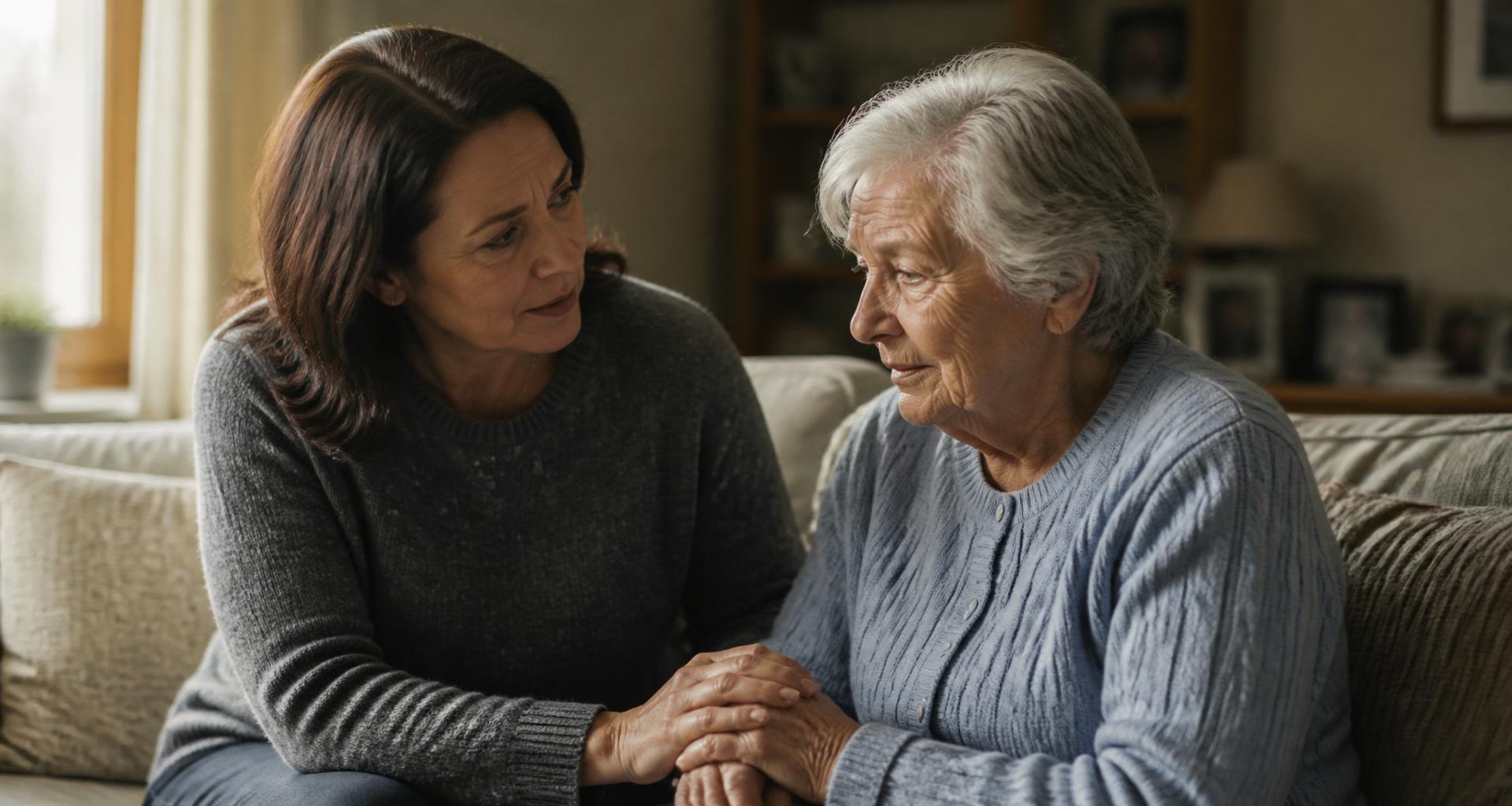
For individuals living with cognitive or neurological conditions,
constant change can increase:
-
Anxiety
-
Confusion
-
Behavioral escalation
-
Sleep disruption
-
Emotional distress
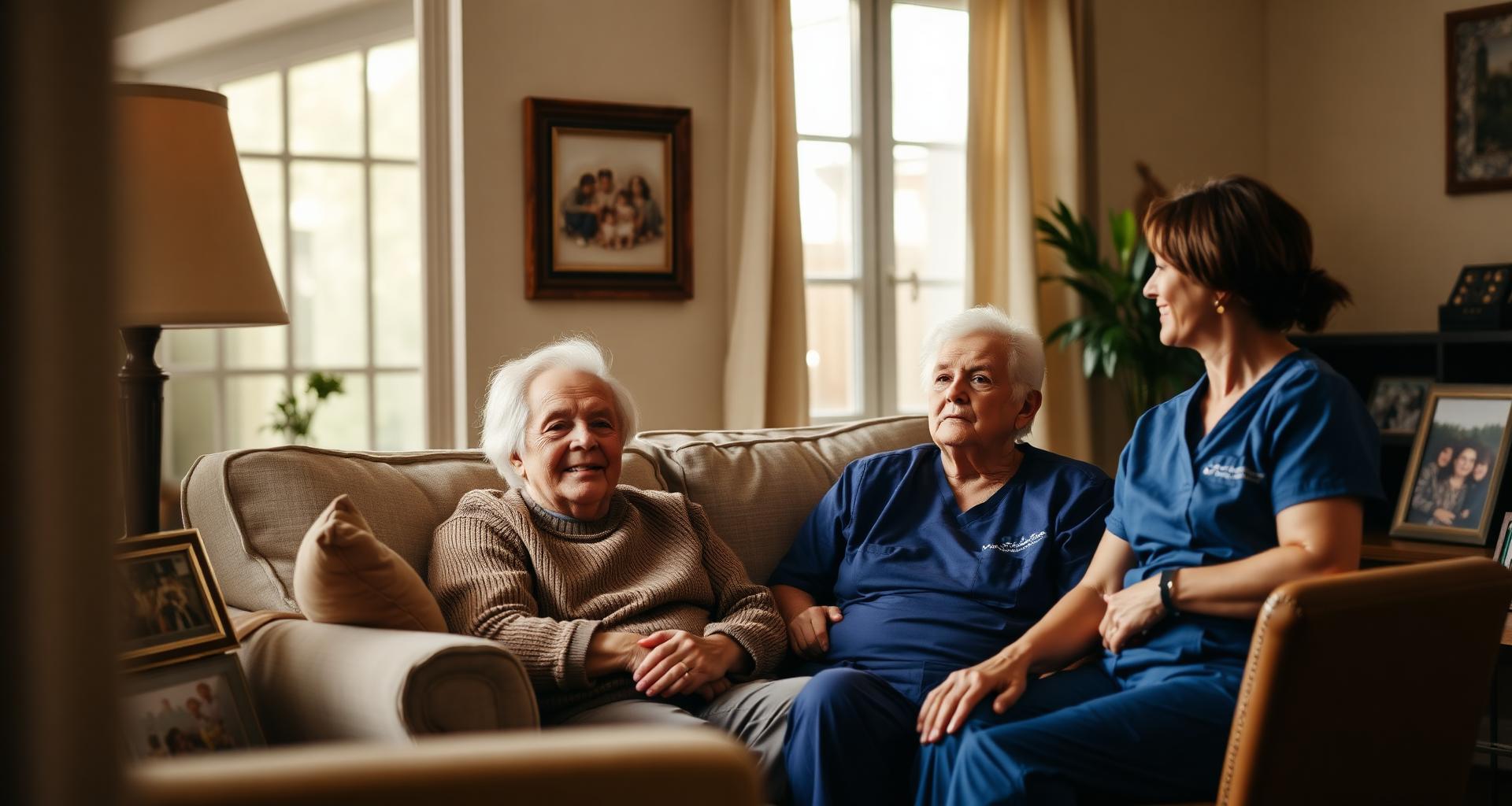
At Aging in Place Redefined, live-in care is viewed not simply as
staffing coverage, but as a relationship-centered model designed to
preserve familiarity, routine, emotional safety, and stability at home.
Because in advanced care situations, consistency itself becomes
therapeutic.
What Is Live-In Care?
Live-in care involves a caregiver living in the home and providing
support throughout the day while maintaining scheduled sleep and rest
periods overnight.
This differs from:
A live-in caregiver typically supports:
-
Morning routines
-
Meals
-
Mobility
-
Medication reminders
-
Emotional support
-
Cognitive engagement
-
Household assistance
-
Safety supervision
-
Evening routines
The goal is helping individuals remain safely and comfortably at home
while preserving continuity and routine.
Live-In Care vs 24-Hour Care
These terms are often confused.
Live-In Care
Typically involves:
24-Hour Care
Typically involves:
-
Multiple rotating caregivers
-
Around-the-clock awake supervision
-
Shift-based staffing
-
Higher caregiver transitions
-
Increased overnight monitoring
Both models can be appropriate depending on:
The key is matching the care model to the actual clinical and emotional
needs of the individual.
Why Continuity Matters So Much in Dementia Care
People living with Dementia often struggle with unfamiliarity.
Frequent caregiver changes may increase:
-
Confusion
-
Resistance to care
-
Fearfulness
-
Behavioral escalation
-
Emotional exhaustion
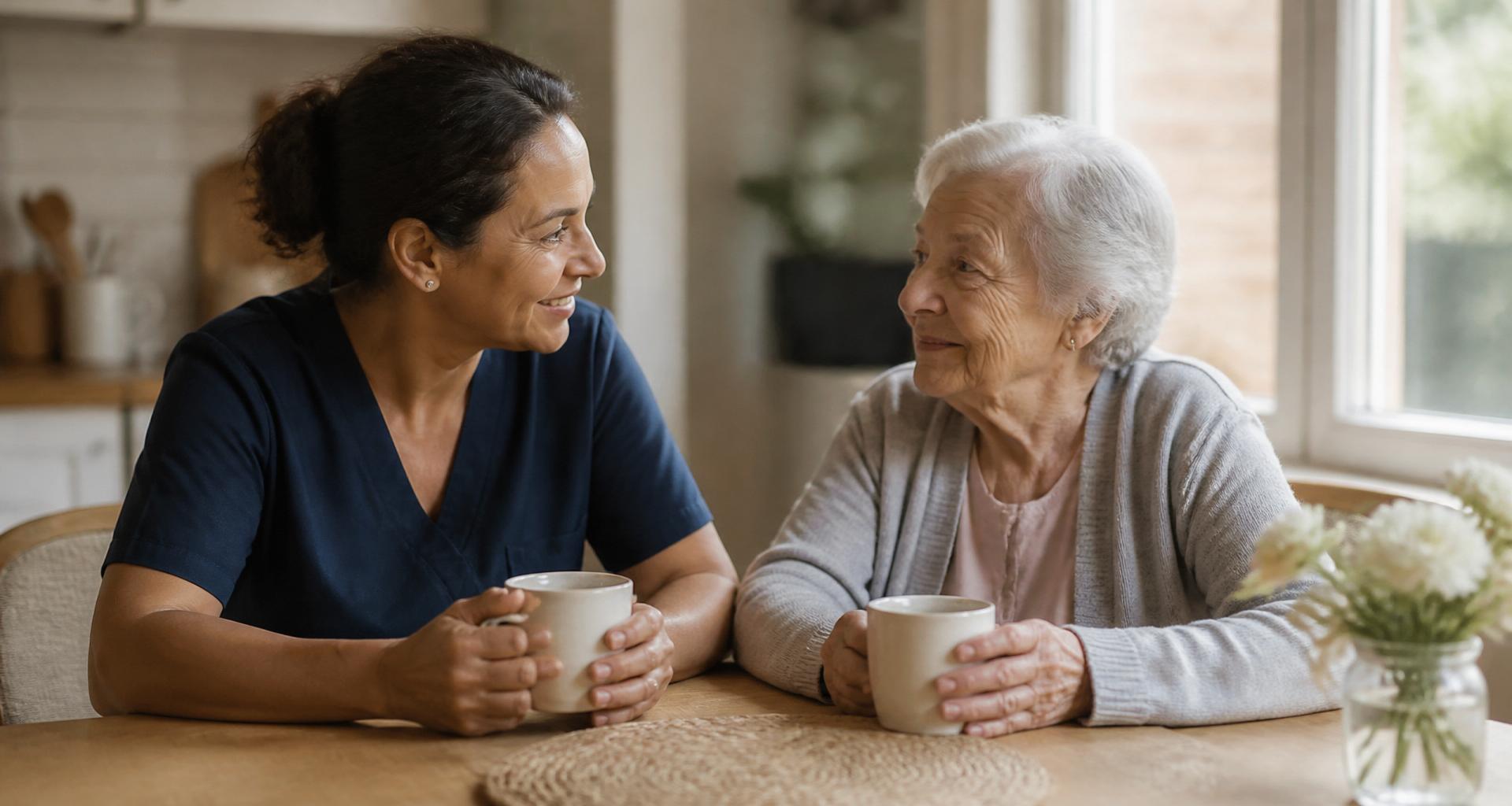
Familiar caregivers create:
-
Predictability
-
Emotional safety
-
Trust
-
Better communication
-
Reduced anxiety
In many cases, individuals respond better to someone they know
consistently than to multiple rotating caregivers providing identical
tasks.
Because Dementia care is deeply relational.
Parkinson's Disease Also Benefits From Continuity
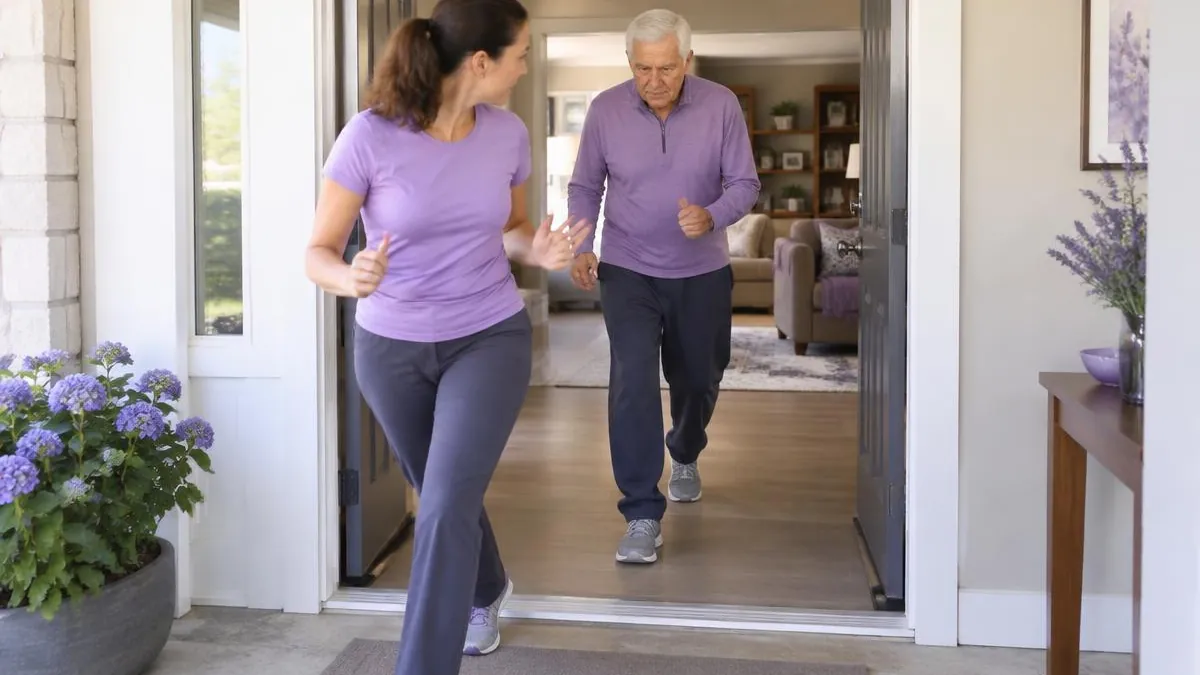
In Parkinson's disease, caregivers often learn highly individualized
patterns involving:
-
Medication timing
-
Mobility fluctuations
-
Freezing episodes
-
Fatigue cycles
-
Emotional triggers
-
Fall-risk periods
Consistency allows caregivers to recognize subtle changes quickly and
adapt support appropriately.
That level of awareness becomes difficult when staffing constantly
changes.
Couples Often Fear Separation More Than Illness
One of the biggest fears aging couples carry is being separated from one
another.
Many couples want:
-
Familiar surroundings
-
Shared routines
-
Emotional closeness
-
Independence together
Specialized live-in care can sometimes help couples remain safely
together at home longer while reducing stress on the healthier spouse.
This emotional component matters deeply.
Because aging in place is not simply about physical location.
It is about preserving identity, relationships, and belonging.
Signs a Family May Need Live-In Care
Families should consider live-in support when they notice:
-
Frequent falls
-
Wandering risk
-
Sleep disruption
-
Caregiver burnout
-
Difficulty managing medications
-
Increasing confusion
-
Unsafe nighttime mobility
-
Progressive Parkinson's symptoms
-
Resistance to being alone
-
Difficulty with daily activities
Earlier support often prevents crisis-level situations.
What Quality Live-In Care Should Actually Feel Like
Quality live-in care should not feel institutional or intrusive.
It should feel:
-
Calm
-
Familiar
-
Respectful
-
Structured
-
Relationship-centered
-
Supportive
-
Dignified
At Angels on Call Homecare, live-in care models are designed around
continuity, familiarity, emotional safety, and clinically guided support
, especially for families navigating Dementia, Alzheimer's disease,
and Parkinson's disease at home.
Because the best care models preserve more than safety.
They preserve human connection.
Key Takeaways
-
Live-in care and 24-hour care are not the same service
-
Continuity and familiarity significantly impact Dementia and
Parkinson's outcomes
-
Consistent caregivers help reduce anxiety, confusion, and emotional
distress
-
Live-in care may help couples remain safely together at home longer
-
Specialized neurological care requires more than basic supervision
-
Earlier support often improves long-term stability and quality of life
Frequently Asked Questions
What is the difference between live-in care and 24-hour care?
Live-in care typically involves one caregiver living in the home with
scheduled rest periods, while 24-hour care involves multiple rotating
awake caregivers providing continuous coverage.
Is live-in care good for Dementia patients?
Yes. Many individuals living with Dementia benefit from caregiver
continuity, familiar routines, emotional stability, and reduced
transitions.
Can Parkinson's patients benefit from live-in care?
Absolutely. Parkinson's disease often requires structured routines,
mobility support, medication awareness, and individualized caregiving
approaches that continuity supports well.
When should families consider live-in care?
Families should consider live-in care when safety concerns, caregiver
burnout, falls, wandering, nighttime confusion, or progressive
neurological symptoms make independent living difficult to manage
safely.
About the Author
Eric J. Dalton is a Dementia and Parkinson's care strategist and
advocate for dignity-centered aging at home. Through leadership at
Angels on Call Homecare and development of Aging in Place Redefined,
his work focuses on redefining relationship-centered, clinically guided
care models that preserve familiarity, emotional safety, and quality of
life at home.